A gate that opens for anyone is not providing much security. A gate that regularly traps residents, backs up visitors, or fails after a power interruption creates a different problem altogether. Knowing how to secure HOA gates means balancing real access control with the everyday convenience residents expect when they come home.
For HOA boards and property managers, the goal is not simply to install a stronger gate. It is to build a system that identifies authorized users, documents activity, keeps emergency access available, and can be serviced quickly when something goes wrong. That takes the right combination of equipment, policies, wiring, network connectivity, and ongoing management.
Start With a Gate Security Assessment
Before replacing an operator or adding cameras, assess how people currently enter the community. Many gate problems come from a system that was designed around one access method years ago, then patched together as residents, delivery services, vendors, and visitor traffic increased.
Walk both the resident and visitor entry points at different times of day. Look for tailgating, damaged gates, faded keypad labels, poor nighttime visibility, long vehicle queues, open pedestrian side paths, and residents giving out shared codes. Review whether the gate actually closes and latches consistently. A well-programmed access system cannot compensate for a gate that does not physically secure the opening.
The assessment should also include the surrounding infrastructure. Gate operators, cameras, intercoms, Wi-Fi bridges, card readers, and exit devices all rely on power and communication. In Las Vegas, extreme heat can add stress to outdoor enclosures, batteries, networking equipment, and exposed cabling. Equipment selection and installation details matter.
Use Access Credentials That Can Be Managed
Shared gate codes are convenient, but they are difficult to control. Codes get passed to former residents, contractors, guests, and delivery drivers. Once a code is widely known, changing it may be the only way to restore control, which can create frustration for the entire community.
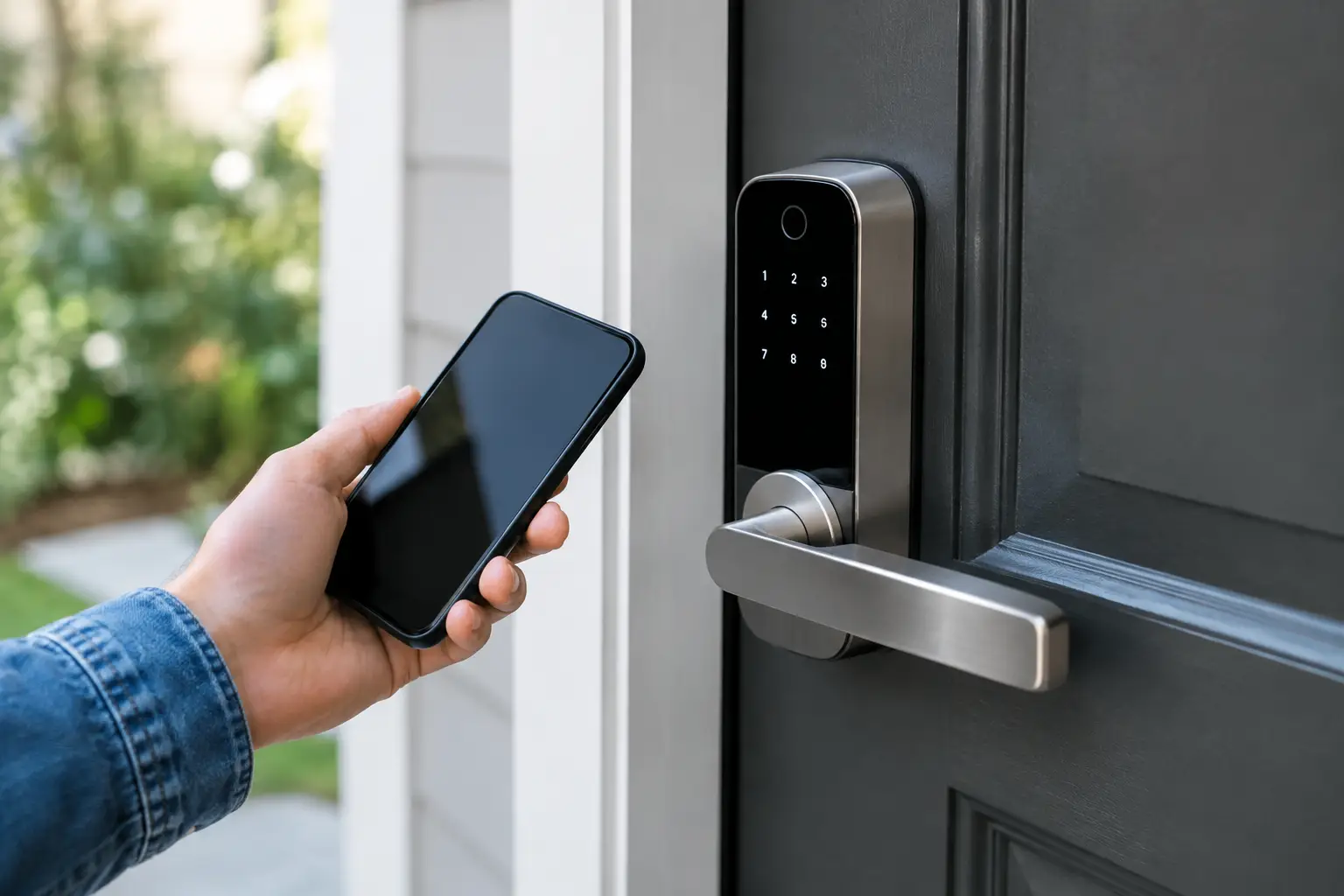
A better approach is to give residents individual, manageable credentials. This may include long-range vehicle tags, key fobs, mobile credentials, proximity cards, or a resident directory system. The right choice depends on the size of the community, traffic patterns, budget, and whether the HOA needs a record of entry activity.
Individual credentials make it possible to deactivate access when a resident moves out, a fob is lost, or a vendor relationship ends. They also reduce the need to reprogram every homeowner’s access because one code was compromised. For communities with frequent rentals or changing occupancy, centralized credential management is especially valuable.
Visitor access deserves its own process. A video intercom or directory can allow residents to verify guests before remotely opening the gate. Some communities use temporary visitor codes or scheduled access windows for service providers. The best setup is one residents will actually use. If the visitor process is too slow or confusing, people will find workarounds that weaken security.
Avoid Convenience Features That Defeat the Gate
Every HOA has seen it: a resident holds the gate open for the car behind them, a delivery driver follows another vehicle through, or a side gate is propped open because it is easier than using the call box. These habits are understandable, but they create blind spots.
Clear rules, visible signage, and consistent enforcement help. Just as important, the system must be convenient enough to reduce shortcuts. Fast credential reads, a working resident directory, and properly placed call boxes make compliance easier than bypassing the gate.
Add Camera Coverage Where It Helps Most
Cameras do not stop every incident, but they provide verification, deterrence, and evidence when an incident occurs. For HOA gates, camera placement matters more than simply adding more cameras.
At a minimum, cover the approach lanes, gate arms or sliding gate path, visitor call box, pedestrian entry points, and any area where vehicles can bypass the controlled entrance. Capture wide views for context and targeted views that can identify vehicle details when conditions allow. Cameras should be mounted high enough to limit tampering while still providing useful angles, particularly at night.
License plate capture can be helpful for communities with recurring access concerns, but it requires proper camera selection, placement, lighting, and configuration. A standard overview camera often will not reliably capture plates from moving vehicles. This is a case where the right design matters more than a high-resolution number on a product box.
Remote viewing also gives managers a practical way to check gate activity without traveling to the property. However, access to video should be limited to authorized personnel, protected with strong passwords and multi-factor authentication when available, and reviewed periodically. Security footage is sensitive community information, not something that should be shared casually.
Build for Power, Network, and Emergency Conditions
A gate is only as dependable as the systems supporting it. If the operator, intercom, cameras, or network connection fails, the HOA needs a clear plan for what happens next.
Reliable gate security starts with dedicated electrical work, surge protection, properly rated outdoor enclosures, and clean low-voltage cabling. Wireless connections can work in certain layouts, but a hardwired network connection is generally more stable for cameras, intercoms, and access-control equipment. For larger properties, the communication path between the gate and the management office should be designed for distance, bandwidth, and serviceability.
Backup power is another major decision. Depending on local requirements and the gate type, the system may need battery backup or a defined fail-safe or fail-secure configuration. That decision should be made carefully. A gate that remains locked during an outage may protect the property, but it can also prevent resident access. A gate that opens automatically may maintain access but reduce security. Fire department access and emergency responder requirements must always be part of the design.
Do not overlook the manual release procedure. Designated personnel should know where it is, how it works, and when to use it. The process should be documented without making sensitive security details broadly available.
Maintain the Gate Like Critical Property Infrastructure
HOA gates are mechanical systems exposed to constant use, vehicle impacts, weather, dust, and vibration. Waiting until the gate fails is usually more expensive and more disruptive than routine service.
A maintenance schedule should include inspecting gate hardware, rollers or hinges, safety loops, photo eyes, gate alignment, operator components, batteries, access devices, camera views, and network connections. Vegetation and landscaping also need attention. A hedge that blocks a camera or a branch that interferes with a gate path can quietly undermine the system.
Software and credential lists need maintenance as well. Remove former residents and expired vendors, audit admin accounts, and update outdated call-box directories. If multiple board members or management staff have administrative access, establish clear responsibility for changes. Security suffers when nobody knows who controls the system.
Choose a Partner Who Can Support the Whole System
Gate security often crosses several trades: gate operators, access control, surveillance, networking, low-voltage wiring, electrical coordination, and ongoing technical support. When each piece is handled separately, troubleshooting can become a round of finger-pointing between vendors.
A single technology partner can simplify that process by designing the access-control workflow alongside the cameras, network, cabling, and remote-management tools. Las Vegas Tech Pros helps HOA communities address these connected systems as one practical project, with local crews available when equipment needs attention.
Before approving a proposal, ask who will support the system after installation, how quickly service requests are handled, whether credentials can be managed by the HOA, and what is included in ongoing maintenance. The lowest installation price may not be the lowest long-term cost if the system is difficult to operate or unsupported when the gate stops working.
A secure HOA gate should feel almost invisible to authorized residents: it opens when it should, records what matters, and gives the board confidence that access is controlled. When the system is designed around the community’s actual traffic and maintained as a working piece of infrastructure, security stops being a daily headache and becomes part of a well-run property.