A TV that looks great on the wall can still be installed wrong. We see tv wall mounting mistakes all the time – screens hung too high, brackets fastened into weak drywall, cords left exposed, and outlets blocked behind the display. The result is usually the same: a setup that feels awkward to watch, looks unfinished, or creates a safety problem that should have been avoided from the start.
In Las Vegas homes, offices, waiting rooms, and shared amenity spaces, wall-mounted TVs are expected to look clean and work reliably. That means the install has to do more than hold the screen up. It needs to fit the room, protect the wall, support the weight properly, and account for power, signal, and long-term access.
The most common tv wall mounting mistakes
The biggest mistake is treating TV mounting like a simple hardware job. It is partly hardware, but it is also placement, cable planning, structural support, and room design. If one part gets overlooked, the whole setup suffers.
A common example is mounting the TV based on how the wall looks rather than how people actually watch it. A centered wall is not always the right wall. In a living room, the best position depends on seating height, window glare, traffic flow, and whether a soundbar, fireplace, or media console needs to fit below. In a business setting, it depends on visibility, ADA considerations, and how the display is being used – signage, presentations, surveillance, or entertainment.
Mounting the TV too high
This is probably the mistake people notice first. A lot of TVs end up closer to the ceiling than the natural line of sight. It happens because homeowners want the screen to feel prominent, or because they are working around furniture and decor instead of viewing comfort.
The problem is neck strain and poor viewing angles. A TV mounted above a fireplace is the classic example. Sometimes that location is the only practical option, but often it is chosen because it looks clean before anyone sits down to watch a two-hour movie. If the room forces a higher install, a mount with proper tilt can help, but tilt is not a complete fix for bad placement.
Trusting drywall anchors instead of structure
A flat screen may look light compared to older TVs, but that does not mean drywall can safely carry the load. This is one of the most serious TV wall mounting mistakes because it can damage the wall, the equipment, and anything below it.
The mount needs to be secured to studs or other appropriate structural backing. In some commercial spaces or custom builds, that may involve different wall materials or blocking behind the surface. The right fastener depends on the wall type, the size of the TV, and the mount style. There is no one-size-fits-all shortcut here, and guessing can get expensive quickly.
Choosing the wrong mount
Not every wall mount is interchangeable. A fixed mount works well when the viewing position is straightforward and the wall placement is ideal. A tilting mount is helpful when the screen sits a little higher. A full-motion mount offers flexibility, but it adds extension, movement, and stress on the wall.
People often buy the least expensive mount or the first one that matches the screen size. That can create problems with weight rating, VESA compatibility, clearance, or side-to-side adjustment. Full-motion mounts are especially easy to underestimate. They need enough support behind them, and they need room to articulate without hitting nearby walls, cabinets, or trim.
Ignoring glare and lighting
A perfectly level TV can still be miserable to use if it catches afternoon sun or reflects overhead lighting. This gets missed because the installer focuses on measurements, not on what the screen will look like at different times of day.
In Las Vegas, natural light can be intense. Large windows, open floor plans, and bright commercial interiors make glare a real issue. Sometimes the answer is a different wall. Sometimes it is a slight adjustment in height or angle. And sometimes the room needs shades, lighting changes, or a brighter display. The right choice depends on the space, not just the wall.
Mistakes that make the installation look unfinished
A mounted TV should feel intentional. When it does not, the room ends up with a clean screen on the wall and a mess hanging below it.
Leaving cables exposed
Visible power cords and HDMI lines ruin the finished look fast. They can also create a tripping hazard or raise code concerns depending on how they are routed. One mistake we see often is people trying to hide a power cord inside the wall without using the proper in-wall power solution. That is not just messy work – it can be unsafe.
Good cable planning starts before the bracket goes up. You need to know where power is coming from, where source devices will sit, whether networking is needed, and how future equipment changes will be handled. A clean install usually looks simple because the planning was not.
Blocking outlets or access points
Another common problem is mounting the bracket directly over an outlet, data port, or access panel. The TV ends up sitting tight to the wall, but plugging anything in becomes a fight. This is especially frustrating when the power plug is bulky or the HDMI connectors need more depth than expected.
The same issue shows up in commercial settings when displays cover controls, alarm devices, or service access locations. It may not be obvious during installation, but later it becomes a maintenance problem.
Forgetting the equipment path
If the TV is not the only device in the setup, the install needs to account for the rest of the system. That could mean a soundbar, streaming device, cable box, network connection, conference hardware, or distributed AV source. Mounting the screen first and figuring out the rest later usually leads to visible wires, signal issues, or awkward equipment placement.
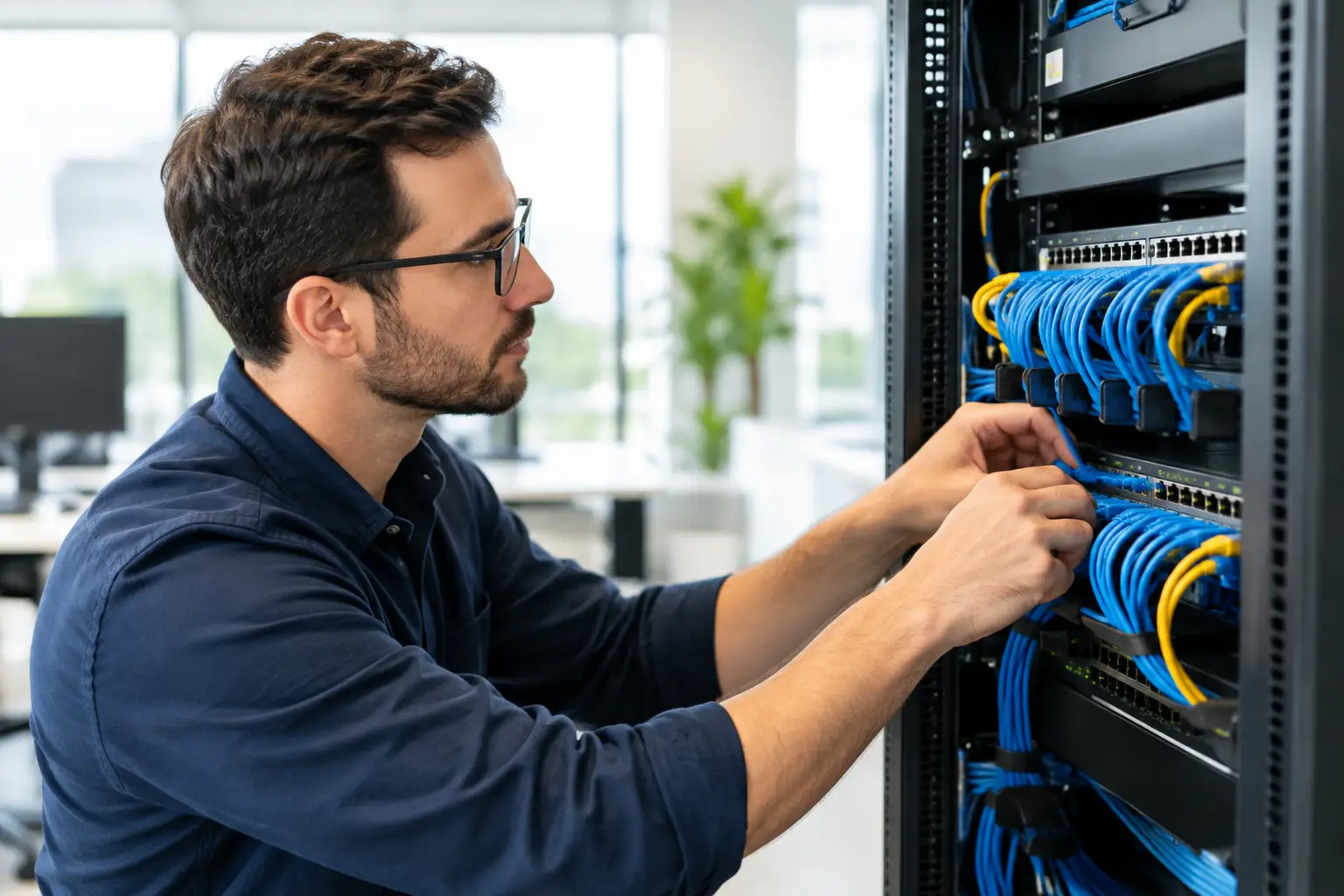
This is where a hands-on technology partner is useful. TV mounting is rarely just TV mounting once audio, networking, control, and cable routing enter the picture.
Safety and performance issues people miss
Some mistakes do not show up right away. The TV stays on the wall, so the install looks fine. Then a few weeks later, the problems start.
Not checking level, centering, and stud spacing twice
A small measurement error is obvious once the TV is mounted. If the screen is slightly off-center to the console below or visibly tilted against ceiling lines, people notice it every day. The frustrating part is that these are preventable errors.
Walls are not always perfectly straight, and furniture is not always centered in the room. That means visual centering and true centering are sometimes different. A careful installer checks both instead of assuming the tape measure tells the whole story.
Using a mount that is too tight for service access
Ultra-slim mounts look great, but they can make service impossible if there is no room to reach ports, swap cables, or troubleshoot. This matters more than most people expect. TVs get replaced, streaming devices fail, HDMI standards change, and commercial displays may need periodic servicing.
A setup that is impossible to access is not future-friendly. In some rooms, a little extra clearance is the smarter choice.
Skipping power and network planning
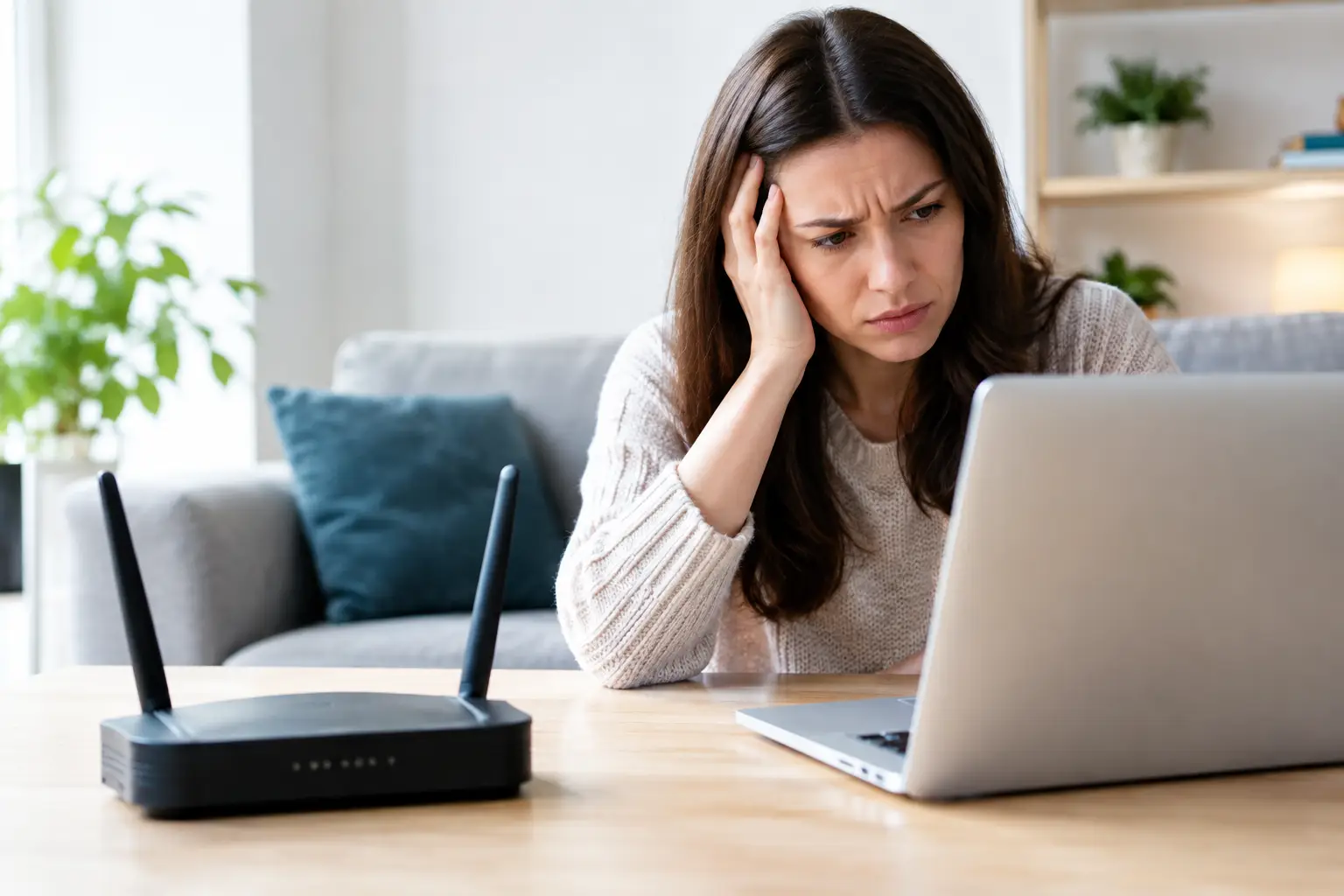
Smart TVs still benefit from reliable infrastructure. If the wall location has weak Wi-Fi, limited outlet access, or no nearby pathway for wired networking, performance can suffer even when the screen is mounted perfectly.
This is especially true in larger homes, offices, clubhouses, and medical spaces where wireless coverage may vary by room. A TV used for streaming, digital signage, presentations, or surveillance viewing is only as reliable as the network feeding it. Sometimes the mounting job reveals a bigger connectivity issue that needs to be addressed at the same time.
When DIY stops making sense
There is nothing wrong with handling a straightforward installation if you have the right tools, wall type, and experience. But once the job involves stone veneer, metal studs, in-wall cable routing, multiple devices, a soundbar, or a commercial setting, the risk goes up fast.
The cost of correcting TV wall mounting mistakes is often higher than doing the install properly the first time. That can mean patching drywall, replacing a damaged screen, moving outlets, or reworking cable runs after the room is already finished. For homeowners, that is frustrating. For businesses, it can also mean downtime, safety concerns, and a poor look in front of customers or tenants.
Las Vegas Tech Pros handles these installs with the same practical mindset we bring to networking, low-voltage cabling, and AV projects: plan the wall, verify the structure, route the wiring correctly, and leave the space clean and ready to use.
A good wall-mounted TV should disappear into the room in the best way possible. You notice the picture, not the problems behind it.