Most people do not want a house full of gadgets. They want the front door to lock properly, the cameras to load fast, the Wi-Fi to reach the back bedroom, and the lights to respond without a fight. That is the real conversation around the best smart home devices – not what looks flashy in a showroom, but what actually makes daily life easier.
In Las Vegas, that usually means dealing with a few specific realities. Large homes need better Wi-Fi coverage. Vacation schedules and second homes make remote access more important. Heat can affect equipment placement. And if you have a gate, cameras, pool equipment, outdoor speakers, or a detached casita, the system has to do more than handle a single smart bulb in the kitchen.
The smartest approach is to build around the problems you want solved first. Security, reliability, convenience, and network performance should come before novelty. Here are the devices that tend to deliver the most value in real homes.
What the best smart home devices actually do
The best smart home devices are not necessarily the newest or most expensive ones. They are the ones that solve a daily problem, work consistently, and fit into a system you can live with long term.
A good smart home setup should help you check your property when you are away, control lighting without walking through the house at night, improve comfort room to room, and reduce the little annoyances that add up over time. It should also be simple enough that everyone in the home can use it.
That last part matters more than people think. If only one person understands how everything works, the system is too complicated.
Smart video doorbells
For most homeowners, a video doorbell is one of the easiest places to start. You can see deliveries, talk to visitors, and check activity at the front door from your phone whether you are home or not.
The trade-off is that not all doorbells perform equally well. Battery models are easier to install, but hardwired versions usually give better consistency and fewer charging headaches. In homes with weak front-door Wi-Fi, even a good doorbell can feel unreliable. That is why the doorbell itself is only part of the solution. The network behind it matters just as much.
Smart locks
Smart locks are practical in a way that surprises people once they start using them. Temporary codes for guests, cleaners, dog walkers, or family members are easier than handing out keys. For second homes or short-term access situations, they are even more useful.
Still, there are trade-offs. Some locks have better app control than keypad design. Others look great but chew through batteries. And if the door hardware is slightly misaligned, smart features will not fix a basic mechanical issue. The lock has to be installed correctly, or no app will save it.
Smart security cameras
Security cameras belong on almost every serious smart home list because they address a clear need. Homeowners want to know what is happening around the property, especially at entry points, driveways, side yards, and back patios.
The best camera setup depends on the property. A small single-story home may only need a few well-placed cameras. A larger property may need wider coverage, better nighttime visibility, and stronger recording options. Some people prefer cloud-based convenience. Others want local recording for more control and fewer subscription concerns.
This is also where many DIY systems start to show their limits. Poor placement, weak Wi-Fi, and bad cable runs create the kind of lag and blind spots that make cameras far less useful than they should be.
Smart thermostats
A smart thermostat makes a lot of sense in a climate where cooling is not optional. It can help manage schedules, reduce unnecessary runtime, and give homeowners remote control when plans change.
That said, the real benefit depends on the HVAC system and the house itself. In some homes, a smart thermostat gives noticeable comfort and efficiency gains. In others, uneven cooling is more about ductwork, insulation, zoning, or thermostat placement than the thermostat brand. If one bedroom is always hot, replacing the thermostat alone may not solve the problem.
Smart lighting controls
Lighting is one of the most satisfying smart home upgrades because the results are immediate. You can automate entry lights, create evening scenes, turn off forgotten lights remotely, and improve both convenience and security.
For whole-home use, smart switches usually make more sense than filling every room with smart bulbs. Switches keep the wall control familiar for everyone, and they work better in shared spaces. Smart bulbs are useful in accent lighting, lamps, or places where color control matters, but they are not always the best backbone for a larger home.
Smart garage door controllers
Garage access is one of those small things that turns into a big problem when it fails. A smart garage controller lets you check if the door was left open, close it remotely, and get alerts based on activity.
This is especially valuable for families coming and going at different times or for homeowners who travel frequently. It is a straightforward upgrade, but compatibility matters. Older openers, safety sensor issues, and weak signal at the garage can all affect performance.
Smart speakers and voice assistants
Voice control is not essential, but it can make a smart home feel easier to use. Telling the house to turn off lights, lock a door, or play music is convenient when your hands are full or when you are moving between rooms.
The trick is not to build the entire home around voice alone. Voice assistants are best used as one control option, not the only one. Wall controls, mobile apps, and automations still matter. If the internet goes down or the command is misunderstood, you should still be able to operate the home normally.
Smart displays and control panels
For larger homes, a central control point can be more useful than people expect. A smart display in the kitchen, entry, or primary suite can give quick access to cameras, lights, locks, weather, and routines without opening a phone app every time.
In more integrated systems, dedicated touch panels can tie together lighting, surveillance, audio, and climate in a cleaner way than juggling several disconnected apps. This is often where professionally designed systems pull ahead of pieced-together setups.
Smart plugs and appliance controls
Smart plugs are simple, affordable, and surprisingly useful. They can control lamps, seasonal lighting, fans, coffee makers, and other plug-in devices on schedules or routines.
They are not glamorous, but they solve small daily problems with very little effort. The main limitation is that they work best for straightforward on-off control. If you want deeper integration or wall-switch reliability, smart plugs are usually a starting point rather than a full solution.
Smart leak detectors
Leak detection rarely gets the attention it deserves until there is already damage. A smart water sensor near a water heater, washing machine, under-sink plumbing, or AC-related area can provide early alerts before a minor issue turns expensive.
For homeowners who travel often or manage a second property, this matters even more. Some systems go further and can shut off the water automatically. That upgrade costs more, but in the right home, it is one of the most practical forms of automation available.
Smart shades and blinds
Motorized shades are one of the more premium categories, but they do more than add convenience. In sunny homes, they can help with glare, privacy, and heat management while keeping rooms comfortable through scheduled open and close times.
They are not the first upgrade most people should make, but they are often worth considering in media rooms, large-window living spaces, and primary bedrooms. As with other devices, the value depends on the home and how the space is used.
Whole-home Wi-Fi systems
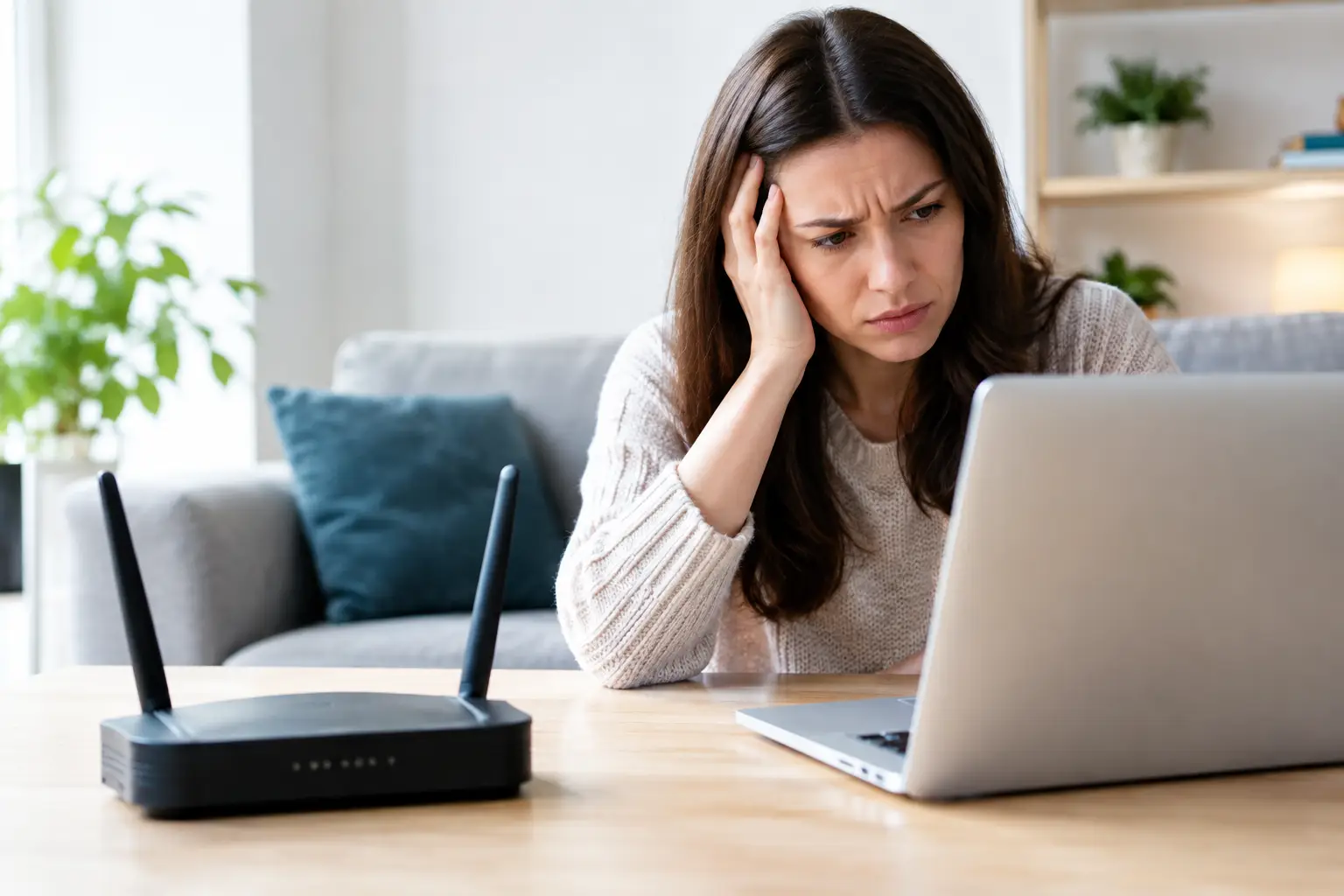
This may not be the most exciting category, but it is one of the most important. Many of the best smart home devices fail for one simple reason: the network is weak, overloaded, or poorly designed.
If your cameras buffer, your doorbell drops offline, or your smart TV loses connection in one part of the house, the problem may not be the device at all. A properly designed Wi-Fi system gives the rest of the smart home a stable foundation. In larger properties, homes with block walls, or homes with detached structures, that foundation often needs more planning than an off-the-shelf router can provide.
How to choose the right smart home setup
If you are deciding where to start, think in terms of outcomes, not products. Do you want better security, easier access, stronger Wi-Fi, lower energy waste, or more control while traveling? The answer usually points to the right first investment.
For many homes, the best sequence is network first, then security, then convenience upgrades like lighting, locks, and climate control. That order avoids the common mistake of buying several devices before the home is ready to support them properly.
It also helps to think about who will use the system. A homeowner who wants simple app control may need a very different setup than a family managing multiple users, guests, and service providers. The best system is the one that fits the household instead of forcing the household to adapt to the technology.
At Las Vegas Tech Pros, this is usually where the conversation starts – not with a sales pitch, but with what is not working and what would make the property easier to manage.
A smart home should feel dependable. If a device adds friction, drains attention, or creates one more thing to troubleshoot, it is not really making the home smarter. The right setup saves time, improves control, and quietly does its job in the background.