A camera system that sends 40 alerts during a windy afternoon is not providing meaningful security. It is creating another job for the person responsible for the property. The most useful AI surveillance trends are changing that equation by helping cameras recognize what matters, filter out routine activity, and make recorded video easier to use when an incident occurs.
For homeowners, property managers, and business operators, the goal is not to add AI for its own sake. The goal is fewer false alarms, faster answers, and a system that works reliably when nobody is standing in front of a monitor. That requires more than choosing a camera with an AI label on the box. It takes proper placement, dependable networking, storage planning, and clear rules for how alerts will be used.
AI Surveillance Trends Are Becoming More Practical
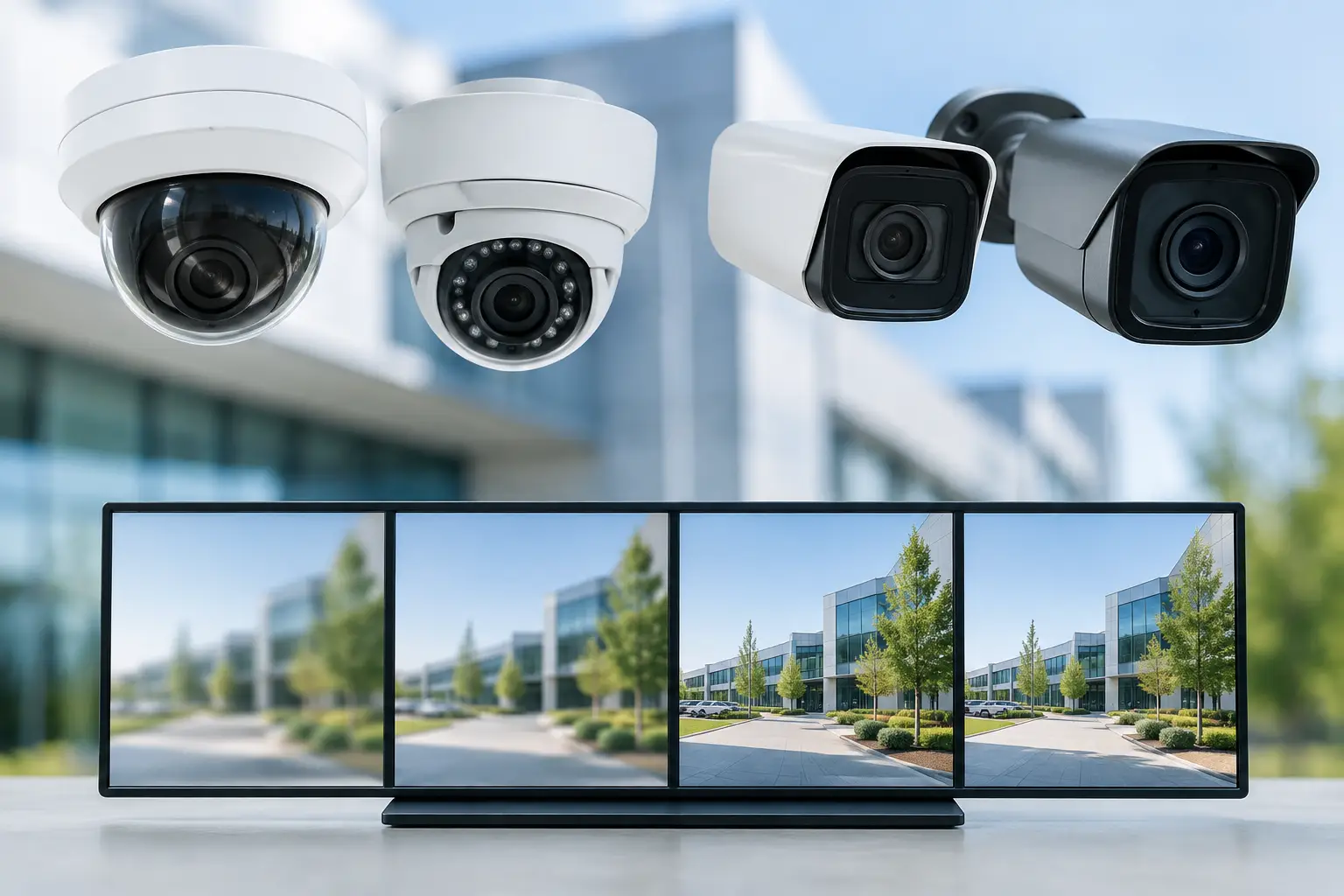
Early “smart” camera features often amounted to motion detection with a few extra settings. A shadow, passing headlights, rain, landscaping, or a roaming pet could trigger an alert. Newer AI-enabled systems are increasingly designed to classify activity instead of simply detecting pixel changes.
A camera can now be configured to distinguish between a person, vehicle, animal, or package in many common scenarios. That means a homeowner can receive an alert when someone approaches a side gate without being notified every time a palm frond moves. A retail manager can focus on person or vehicle activity after hours while ignoring normal changes in lighting.
This is valuable, but it is not perfect. Classification accuracy depends on camera angle, available light, distance, weather, lens quality, and the scene itself. A camera mounted too high may capture the top of a hat instead of a usable face. A camera pointed into a bright Las Vegas sunset may struggle to identify details without appropriate low-light and wide dynamic range capabilities. AI improves a well-designed system. It does not correct poor coverage.
Alerts are becoming event-based
The next step beyond person and vehicle detection is event-based alerting. Rather than asking whether there was motion, the system can look for a person entering a defined area, a vehicle traveling the wrong direction, an object left behind, or a line crossed after business hours.
For a commercial property, this can mean receiving an alert only when someone enters a loading zone outside scheduled delivery times. At a private residence, it can mean monitoring a pool gate, side-yard access point, or driveway without constant notifications from the street. The best settings are specific enough to be useful and simple enough for the property owner or manager to understand.
Edge AI Reduces Delays and Bandwidth Use
One of the strongest trends is moving more video analysis to the camera itself. This is commonly called edge AI. Instead of sending every second of footage to a remote server for analysis, the camera can identify a person or vehicle locally and send a targeted alert or metadata to the recorder, cloud service, or mobile app.
That approach can reduce alert delays and limit unnecessary internet traffic. It also gives a system more resilience when an internet connection is interrupted. Local recording can continue, and local analytics may still function, depending on the equipment and configuration.
Cloud services still have a place. They can make remote access, off-site backup, software updates, and multi-location management easier. For many businesses, a hybrid design is the practical answer: a hardwired camera system with local recording for dependable retention, plus secure remote access and selected cloud features.
The right design depends on the property. A small home may need a few strategically placed cameras and mobile alerts. A medical facility, HOA, retail operation, or construction site may need longer retention periods, multiple user permissions, stronger network segmentation, and recorded video that remains available even if the internet is down.
Faster Video Search Changes Incident Response
Reviewing recorded footage used to mean scrolling through hours of video and hoping to find the right moment. AI search tools are making that process more direct. Users can increasingly search for a person, vehicle, color, direction of travel, or activity within a selected time range.
Imagine a property manager learning that a vehicle struck a gate sometime overnight. Instead of watching every camera feed from midnight to 6 a.m., they may be able to search for vehicles entering the driveway, review matching clips, and identify the relevant event quickly. A business owner investigating a missing delivery can narrow the review to people near a rear entrance during a specific window.
Search results are only as good as the video captured. License plate recognition, for example, needs the right camera, lens, mounting height, viewing angle, lighting, and shutter settings. A general-purpose overview camera can show that a vehicle arrived. It may not reliably capture a readable plate at speed or in darkness. Critical entrances often need purpose-built coverage rather than a one-camera-does-everything approach.
Better evidence starts with better camera placement
AI features can make video easier to find, but camera placement still determines whether the footage is useful. Every site should consider three basic questions: What needs to be seen? From where will it be seen? What detail is needed to act on it?
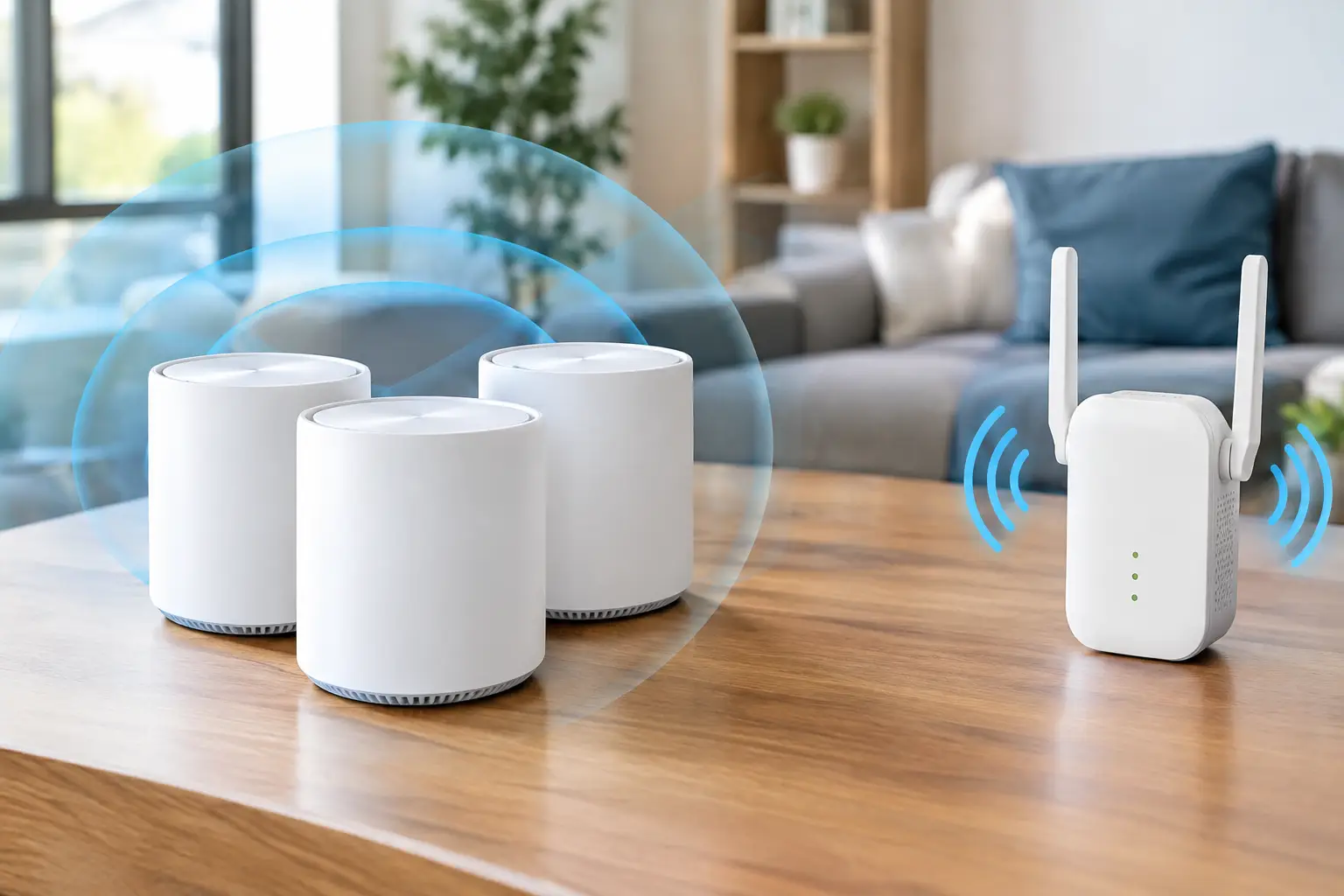
An overview camera is useful for tracking movement across a parking lot or lobby. A tighter view may be needed to identify a face at a door, see a transaction area, or capture a plate at a vehicle entrance. Properly routed hardwired connections are equally important. Wi-Fi cameras can be convenient in the right setting, but they may be less dependable in larger properties, dense neighborhoods, or areas with challenging signal coverage.
Privacy and Access Controls Are Part of the System
As analytics become more capable, privacy decisions deserve more attention. AI surveillance should be built around a legitimate security purpose, not broad collection of video simply because the technology allows it.
For residential systems, that may mean avoiding camera views into neighbors’ private areas and using privacy masking where necessary. For businesses and HOAs, it can mean establishing who has access to footage, how long video is retained, and how footage is shared after an incident. Areas such as restrooms, locker rooms, and other private spaces should never be under video surveillance.
Access control matters as much as camera quality. Strong passwords, unique user accounts, multi-factor authentication when available, regular firmware updates, and a properly secured network help prevent the camera system itself from becoming a vulnerability. Shared logins may seem convenient, but they make it difficult to know who viewed, exported, or changed system settings.
Facial recognition requires particular care. Its use can raise legal, operational, and community-trust concerns, especially in residential communities, public-facing businesses, and sensitive environments. In many cases, person detection and event search provide the needed security benefit without using identity-based analytics. The technology should match the risk, the setting, and the organization’s policies.
Integration Is Moving From Convenience to Response
Cameras are increasingly working alongside access control, intercoms, alarms, smart locks, lighting, and mobile notifications. This can create a more useful response workflow. A door event can bring up the associated camera view. An after-hours person alert can trigger exterior lighting. A property manager can verify an access event before deciding whether to dispatch staff or contact law enforcement.
Integration should be intentional. Connecting every device to every automation can create nuisance alerts and confusing behavior. A well-planned system uses clear triggers, limited permissions, and testing that reflects real conditions. For example, an alarm rule should be tested during normal daytime traffic, at night, and during changing weather before it becomes part of an after-hours response plan.
This is also where one technology partner can simplify the work. Camera performance depends on cabling, power, network capacity, recording hardware, Wi-Fi where applicable, and the devices people use to access footage. Las Vegas Tech Pros can design these parts as one working system instead of leaving a property owner to coordinate separate camera, network, and low-voltage vendors.
What to Prioritize Before Upgrading
The market will continue to add new analytics, higher resolutions, and more cloud features. Before replacing equipment, start with the problems your current system fails to solve. Are false alerts overwhelming staff? Are key entrances poorly covered? Is footage difficult to retrieve? Does remote viewing fail when the network is busy? Are there gaps in recording retention or user access controls?
Once those answers are clear, the upgrade path becomes more practical. A targeted camera replacement, better recording configuration, network improvement, or added coverage at critical access points may deliver more value than replacing every device at once. AI is most effective when it supports a clear security plan, not when it is treated as a shortcut.
The right surveillance system should make security easier to manage on an ordinary Tuesday, not just look impressive on a feature list. Start with the real activity around your property, define the events that deserve attention, and build coverage that gives you useful evidence when it counts.