A missed step in a dark hallway or a forgotten lock at bedtime may seem small until it becomes a real safety issue. That is where home automation for aging in place starts to matter – not as a flashy upgrade, but as a practical way to help someone stay comfortable, independent, and secure at home longer.
For many families, the goal is simple. They want a parent, spouse, or older loved one to keep living at home without adding daily stress or constant check-ins. The right technology can help, but only when it is chosen with care. A smart home for aging in place should reduce friction, not create new problems.
What home automation for aging in place should actually do
The best systems support daily routines that tend to get harder with age. That often means improving visibility, reducing physical effort, and making it easier to respond when something is wrong. Good automation is not about packing a house with gadgets. It is about solving specific problems in a way that feels natural.
Lighting is one of the clearest examples. Motion-activated lights in hallways, bathrooms, and kitchens can reduce fall risk at night. Smart switches can turn exterior lights on at dusk and off in the morning without anyone having to remember. For someone with limited mobility or arthritis, voice-controlled lights are not just convenient. They remove a physical task that may be painful or unsafe.
Door locks are another useful upgrade. A smart lock can prevent the common problem of leaving a door unlocked or misplacing keys. For adult children helping a parent, temporary or scheduled access can make caregiving easier without handing out copies of keys. That said, lock selection matters. Some people are comfortable with app-based entry and keypad codes, while others do better with a simple electronic lock that still works with a familiar thumb turn inside.
Temperature control also plays a bigger role than many people expect. Seniors are often more sensitive to heat and cold, and forgetting to adjust the thermostat can affect comfort and health. A smart thermostat can keep temperatures within a safer range and allow a family member to check settings remotely if needed. In a climate like Las Vegas, where extreme heat is not a minor issue, that level of oversight can be more than a convenience.
Safety first, but not at the expense of usability
One of the biggest mistakes in home automation for aging in place is choosing technology based on features instead of usability. A system may look impressive on paper and still be a poor fit if the person using it finds it confusing, inconsistent, or too dependent on a smartphone.
Voice control can be a great tool, but it depends on the user. Some people take to it immediately. Others find commands awkward or struggle to remember phrasing. In those cases, wall-mounted controls, smart buttons, or scheduled automations may work better. The right answer depends on the person, not the product brochure.
The same goes for alerts and monitoring. Smart sensors can detect motion, door activity, water leaks, or smoke events and send notifications to a caregiver. That can provide real peace of mind, especially for families who do not live nearby. But there is a line between helpful awareness and overwhelming noise. Too many notifications get ignored. Too much complexity leads to systems being unplugged or bypassed.
A practical setup usually starts with the highest-risk areas. Entry points, bathrooms, hallways, bedrooms, and kitchens tend to matter more than less-used spaces. A simple nighttime lighting routine, a video doorbell, leak sensors near toilets or water heaters, and a few well-placed cameras outside the home can go a long way without turning the house into a tech project.
The most useful smart home features for older adults
Some features consistently make more sense than others. Smart lighting is near the top of the list because it addresses a daily safety concern without asking much from the user. Entry automation is also valuable, especially when paired with a video doorbell so the homeowner can see who is at the door without rushing to answer it.
Smart plugs can help with lamps, fans, or small appliances that are used regularly. They can also reduce the need to bend behind furniture or reach awkward switches. In the kitchen, automatic reminders are useful in some cases, but this is where it depends. If memory support is becoming a major concern, automation alone may not be enough, and the conversation may need to include broader safety planning.
Water management is often overlooked. Leak detection around sinks, refrigerators, washing machines, and water heaters can prevent a small issue from turning into expensive damage. Motorized shutoff valves add another layer of protection, particularly in second homes or properties where family members are not present every day.
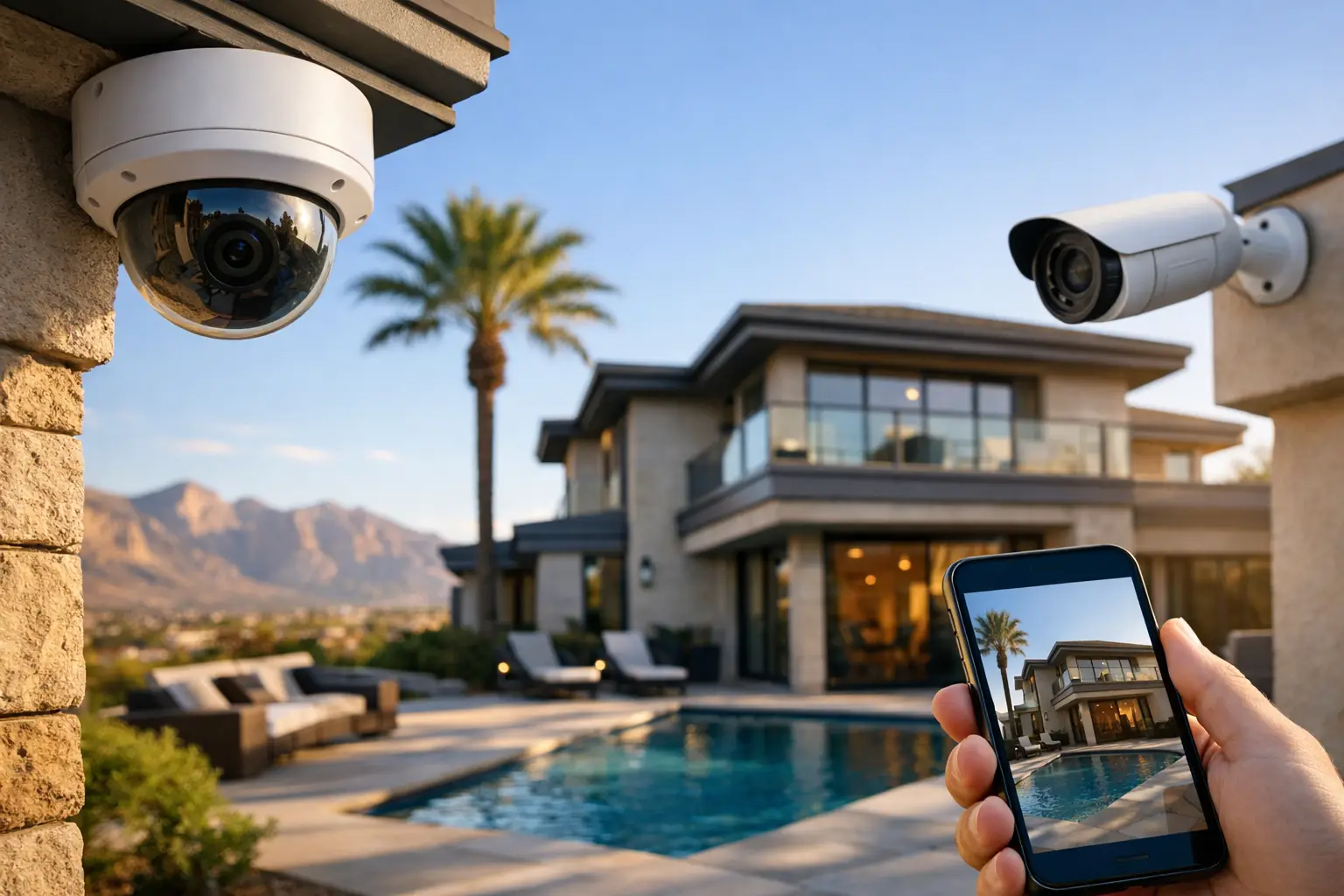
Security matters too, but it should be approached thoughtfully. Outdoor cameras, door sensors, and smart locks can help older adults feel safer at home. They can also help family members confirm that the home is secure. What usually works best is a professionally designed system with reliable Wi-Fi, clean installation, and equipment that does not require constant troubleshooting.
Why the network matters more than most people realize
A smart home is only as dependable as the network behind it. This is where many do-it-yourself setups fall apart. Devices drop offline, apps stop responding, cameras lag, or automations fail at the wrong time. For aging in place, that is not just annoying. It can undermine trust in the entire system.
If a motion light does not turn on consistently, it will not be used with confidence. If a video doorbell takes too long to load, it becomes frustrating instead of helpful. If a caregiver cannot access alerts because of poor connectivity, the whole purpose is lost.
That is why network quality should be part of the planning from the start. Larger homes, older construction, detached casitas, and concrete or block walls can all affect wireless performance. A stable Wi-Fi environment, properly placed access points, and hardwired devices where possible can make a major difference in reliability.
This is one reason many homeowners prefer working with a single technology partner instead of juggling separate installers for Wi-Fi, security, automation, and low-voltage work. When the systems need to function together, isolated fixes often create new gaps.
Start small, then build around real habits
The smartest approach is usually not a full-house overhaul on day one. Start with the routines that create stress or safety concerns now. Maybe that is poor nighttime visibility. Maybe it is missed deliveries, front door security, or difficulty adjusting lights and temperature. Once those problems are solved, it becomes much easier to decide what else is worth adding.
This also gives the homeowner time to adapt. Even simple technology takes adjustment. A slow rollout tends to produce better long-term use than an all-at-once install filled with features no one asked for.
Families should also think about support after installation. Who changes batteries, updates settings, or troubleshoots a device if something stops working? That question gets overlooked all the time. Ongoing support is not a luxury in these setups. It is part of making the system practical.
For homeowners in Las Vegas and surrounding areas, climate, property layout, and construction style can all affect how a smart home should be planned. A setup that works in a compact condo may not translate well to a larger single-story home with outdoor gates, detached spaces, or Wi-Fi dead zones. That is where hands-on planning matters more than generic product recommendations.
A smarter home should feel easier, not more complicated
The real value of home automation for aging in place is not the app, the brand name, or the number of connected devices. It is the quiet reduction of daily friction. Better lighting at the right time. Easier access at the front door. Fewer forgotten tasks. Faster awareness when something needs attention.
When the system is designed around the person, not the gadget, technology becomes a support tool instead of another thing to manage. That is the standard worth aiming for – a home that still feels familiar, but works a little harder for the person living in it.