A video meeting can fall apart before anyone shares a screen. One person joins with choppy audio, another cannot connect to the company network, and the conference room camera frames a blank wall instead of the people speaking. Knowing how to improve video meetings means addressing the full setup: the network, the room, the equipment, and the habits of everyone involved.
For Las Vegas businesses, reliable video collaboration is not a nice extra. It affects client conversations, remote employees, vendor coordination, property management, medical administration, and day-to-day decisions. The goal is not to add more technology. It is to make the technology you already depend on work consistently.
Start With the Connection, Not the Camera
When video freezes or voices cut in and out, the camera usually gets blamed first. More often, the real issue is Wi-Fi coverage, network congestion, or an internet connection that cannot handle several high-quality calls at once.
A speed test is a useful starting point, but it does not tell the whole story. A connection may look fast on paper and still perform poorly if the wireless signal is weak in the conference room, employees are competing with large downloads, or access points are overloaded. Upload capacity matters as much as download capacity because video meetings send your camera and microphone feed out to everyone else.
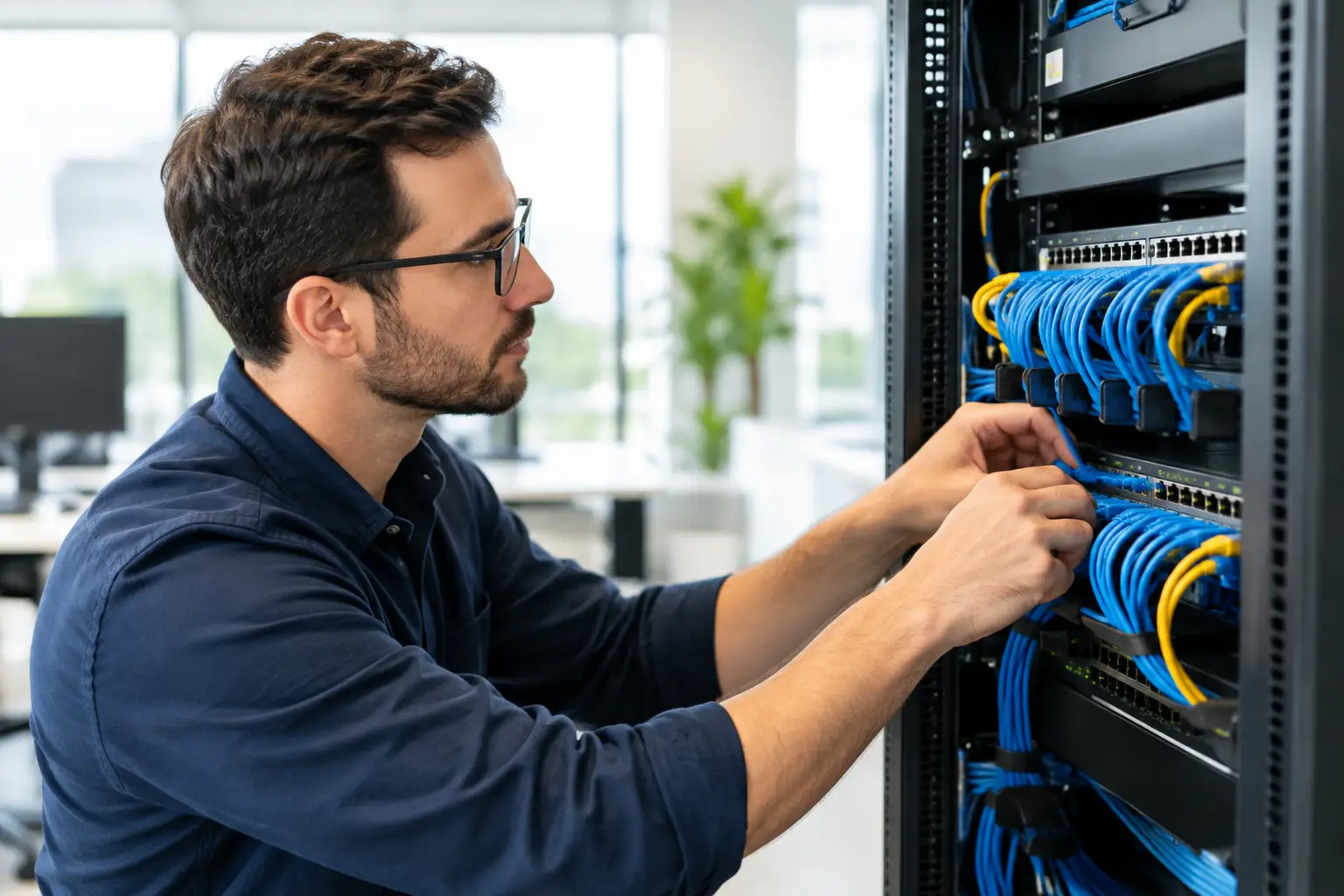
For a fixed conference room, a wired network connection is usually the most dependable choice. Hardwiring the room computer or video bar reduces the variables that cause interruptions. If Wi-Fi is necessary, place access points based on actual coverage needs rather than convenience. A network assessment can identify dead zones, interference, aging equipment, and bottlenecks that are easy to miss during a quick troubleshooting session.
Small offices should also look at what else happens on the network during calls. Cloud backups, security camera uploads, software updates, and guest traffic can all compete for bandwidth. Network prioritization can help give voice and video traffic the capacity it needs during business hours. The right approach depends on the size of the office, the number of concurrent users, and whether critical systems share the same connection.
How to Improve Video Meetings With Better Audio
People will tolerate a camera that is slightly soft or poorly framed. They will not tolerate an echo, a humming air conditioner, or a speaker they cannot understand. Audio quality has the greatest effect on whether a meeting feels productive.
Laptop microphones are acceptable for one person in a quiet room. They are not a reliable solution for a group seated around a table. In those cases, use a purpose-built conference speakerphone, ceiling microphone, tabletop microphone, or video bar with beamforming microphones. These systems are designed to pick up voices across the room while reducing background noise.
Room acoustics matter too. Hard surfaces such as glass walls, tile floors, and bare ceilings reflect sound, creating the echo that makes meetings exhausting. Carpet, acoustic panels, fabric furnishings, and even strategically placed wall treatments can make a noticeable difference. This does not require turning an office into a recording studio. It means identifying why speech sounds muddy and correcting the source.
Before purchasing equipment, consider the room’s real use. A six-person huddle room needs different coverage than a training room with 20 attendees. A microphone that works well at a small round table may fail in a long boardroom. The best system is the one that captures every speaker clearly without forcing people to lean toward a device or pass around a microphone.
Keep Speaker Placement Simple
If meeting participants cannot hear remote attendees, do not solve the problem by turning the volume all the way up. Excessive volume creates feedback and makes voices harsh. Place speakers where the room can hear them evenly, keep microphones away from direct speaker output, and use equipment with built-in echo cancellation.
A professional installation also keeps cables protected and organized. Loose cords across a conference table look temporary, create trip hazards, and make routine use harder than it needs to be. Low-voltage cabling can bring power, network, audio, and display connections to the right locations without turning the room into a tangle of adapters.
Design the Room Around the Conversation
A well-equipped room can still create a poor meeting if people are badly lit or the display is too small. The physical layout should make both in-room and remote attendees feel included.
Start with camera placement. Position the camera near eye level and center it on the participants, not above a wall-mounted display or at the far end of an oversized room. Cameras mounted too high make everyone look small and distant. Cameras placed too low create an unflattering angle. For larger spaces, a camera with optical zoom and intelligent speaker tracking may be worth the investment. In a smaller room, a wide-angle camera may be all that is needed.
Lighting deserves the same attention. Avoid seating people with bright windows directly behind them because faces will appear dark on camera. Overhead lights alone can create shadows under the eyes. Soft, even front lighting gives the camera a clear image and helps remote attendees read expressions. Window coverings are useful when the Nevada sun changes the room dramatically throughout the day.
Choose display size based on viewing distance, not simply the biggest screen available. Remote participants, shared spreadsheets, building plans, and presentations should be easy to see from every seat. In larger rooms, a second display can prevent the common problem of choosing between seeing people and seeing shared content.
Make Joining a Meeting Friction-Free
A meeting that starts 10 minutes late because someone is looking for a cable is not a people problem. It is a room design problem. Every recurring meeting space should have a clear, repeatable way to join calls.
A dedicated room system with a touch controller is often the cleanest option for offices that hold frequent meetings. It can reduce the need for employees to bring laptops, sign into unfamiliar accounts, or adjust multiple settings every time. For smaller businesses, a properly configured laptop connection may be enough, provided the cables, adapters, camera, display, and audio device are always ready to use.
Standardize where practical. If one room uses one video platform, another requires a different adapter, and a third has its own remote control routine, staff will make mistakes. Consistent equipment and simple instructions reduce support calls and help visitors use the room with confidence.
Keep a backup plan as well. Have a labeled spare HDMI cable, a power adapter, and a quick way to connect a laptop if the primary system has an issue. Backups should be accessible but not clutter the table. A short test before an important client presentation is still worthwhile, especially after software updates or room changes.
Set Meeting Rules That Respect Everyone’s Time
Technology can make communication clear, but it cannot fix an agenda that does not exist. Short, focused meetings perform better when the organizer identifies the purpose, the decisions needed, and the people who actually need to attend.
Ask participants to join a few minutes early for high-stakes calls, particularly when outside guests are involved. Encourage everyone to use headphones when joining from a noisy location and to mute when they are not speaking. These small habits reduce interruption without making meetings feel overly formal.
Screen sharing should support the conversation, not replace it. If a document requires detailed review, send it beforehand when possible. Use the meeting to discuss decisions, questions, and next steps instead of silently reading through slides. At the end, confirm who owns each action and when it is due.
Know When the Problem Needs Professional Support
Occasional user error is normal. Repeated dropped calls, persistent echo, weak conference room Wi-Fi, and equipment that only works for one employee are signs of an underlying setup problem. Replacing a single device may help, but it can also waste money if the real cause is cabling, network design, room acoustics, or incompatible components.
For businesses that need dependable meeting spaces, a site review can turn a frustrating room into a practical tool. Las Vegas Tech Pros can assess the network, install structured cabling, configure audiovisual equipment, and help create a meeting setup that staff can use without calling IT every time.
The best video meeting room does not demand attention. People walk in, connect quickly, hear one another clearly, and get back to work. That is the standard worth building toward.