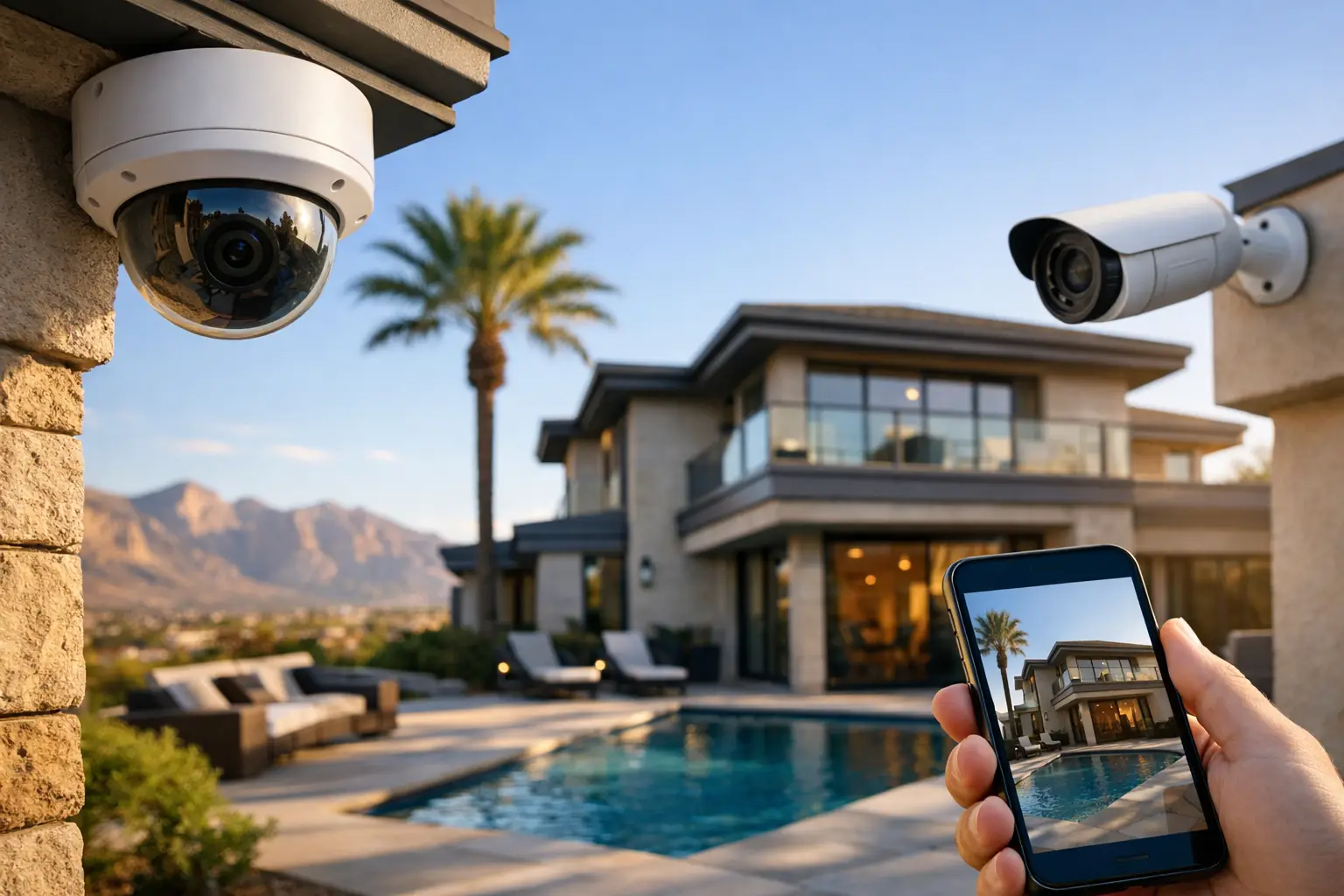
A thief walking up to a property is making a quick calculation: Can I get in, take what I want, and leave without being identified or interrupted? That is where the answer to can cameras prevent theft becomes practical. Cameras can change that calculation, especially when they are visible, well placed, recording clearly, and part of a security plan that creates a real response.
But cameras are not a force field. A camera mounted too high, pointed at the wrong area, hidden behind glare, or disconnected from a recorder may do little to stop a crime or help afterward. Effective surveillance is less about owning more cameras and more about designing a system around the risks your home, office, retail space, or property actually faces.
Can Cameras Prevent Theft on Their Own?
Cameras can deter opportunistic theft. Many people looking for an easy target will move on when they see obvious surveillance, especially if the property also has good lighting, controlled entry points, and signs that the system is active. A visible camera tells a potential offender that their face, vehicle, and actions may be recorded. That added risk is often enough to make another location look easier.
The deterrent effect has limits. Someone who is determined, masked, intoxicated, or familiar with the property may not be discouraged by a camera alone. Internal theft can be different as well. An employee, contractor, or resident who believes the system is not monitored may take the risk despite knowing cameras are present.
That is why the strongest answer is not simply “install cameras.” It is to use surveillance as one layer in a larger plan. Cameras document activity, help verify alarms, support investigations, and give owners or managers eyes on the property. Access control, lighting, locks, procedures, and a prompt response make the system much harder to ignore.
Why Visible Cameras Often Deter More Than Hidden Ones
A hidden camera may capture useful evidence, but it cannot discourage behavior that happens before a crime. In most theft-prevention situations, visible cameras provide more value at the perimeter, entrances, cash-handling areas, loading zones, garages, and other high-risk locations.
Visibility does not mean making a camera easy to disable. A professional installer can place cameras where they are noticeable from normal approach paths while keeping wiring protected and equipment out of easy reach. The goal is simple: people should recognize that they are being recorded before they reach the point where theft can happen.
For businesses, well-positioned cameras also reinforce expectations for employees and visitors. A camera covering a stockroom entrance, register area, medication storage room, equipment cage, or delivery door can reduce disputes about what happened and encourage better compliance with procedures.
Clear Footage Matters More Than Camera Count
A property can have a dozen cameras and still lack useful evidence if the system does not capture faces, vehicle details, or the actual point of entry. Camera quality matters, but placement matters just as much.
A wide-angle camera may show that someone entered a parking lot, yet it may not provide enough detail to identify them. A dedicated camera aimed at a gate, front door, register, or driveway can capture the information that matters. The best systems combine broad views for context with tighter views at critical locations.
Lighting is another deciding factor. Las Vegas properties often have intense daytime sun, deep shadows, and bright exterior lighting at night. Cameras need to be selected and positioned with those conditions in mind. Backlighting from a doorway, reflections from windows, and glare from parking lot fixtures can turn a promising view into unusable footage.
Before installation, it helps to ask what each camera needs to prove. Do you need to identify a person entering a side gate? Read a license plate at a driveway? Confirm whether a package was delivered? Watch activity across a large warehouse floor? Those are different jobs and may require different camera locations, lenses, and recording settings.
The Areas That Deserve Priority
Most theft incidents involve predictable routes: a person enters, reaches a target, and leaves. Coverage should follow that path. For a home, that often means front and side doors, garage access, gates, driveway approaches, and areas where packages or outdoor equipment are stored.
For commercial properties, priorities often include public entrances, employee entrances, checkout counters, inventory rooms, server rooms, rear exits, dumpsters, loading docks, and parking areas. Medical offices and professional facilities may also need coverage around controlled storage, after-hours entry points, and reception areas while respecting privacy requirements.
Do not overlook the transition points. A camera over a cash register is useful, but one covering the route between the register and the exit may be equally important. A camera showing a delivery door helps, but a second view of the staging area can establish what was removed and by whom.
Cameras Work Better With Lighting and Access Control
Security systems are most effective when each component supports the next. Motion-activated or scheduled lighting removes dark hiding places and improves nighttime image quality. Strong locks and controlled gates slow down unauthorized entry. Access control creates a record of who used a door, while cameras provide visual confirmation when a credential is shared, lost, or misused.
For a small business, that could mean cameras at the front counter and back door, door access records for staff-only areas, and alerts after business hours. For a homeowner, it may mean a doorbell camera, driveway coverage, exterior lighting, and smartphone notifications when a person approaches a key entry point.
There is a trade-off with alerts. Too many motion notifications train people to ignore them. Trees, pets, passing traffic, and moving shadows can create constant false alarms. Modern systems with person, vehicle, and line-crossing detection can reduce unnecessary alerts, but they still need proper setup. Detection zones should focus on doors, walkways, vehicles, and restricted areas rather than every inch of the frame.
Recording and Response Determine the Real Value
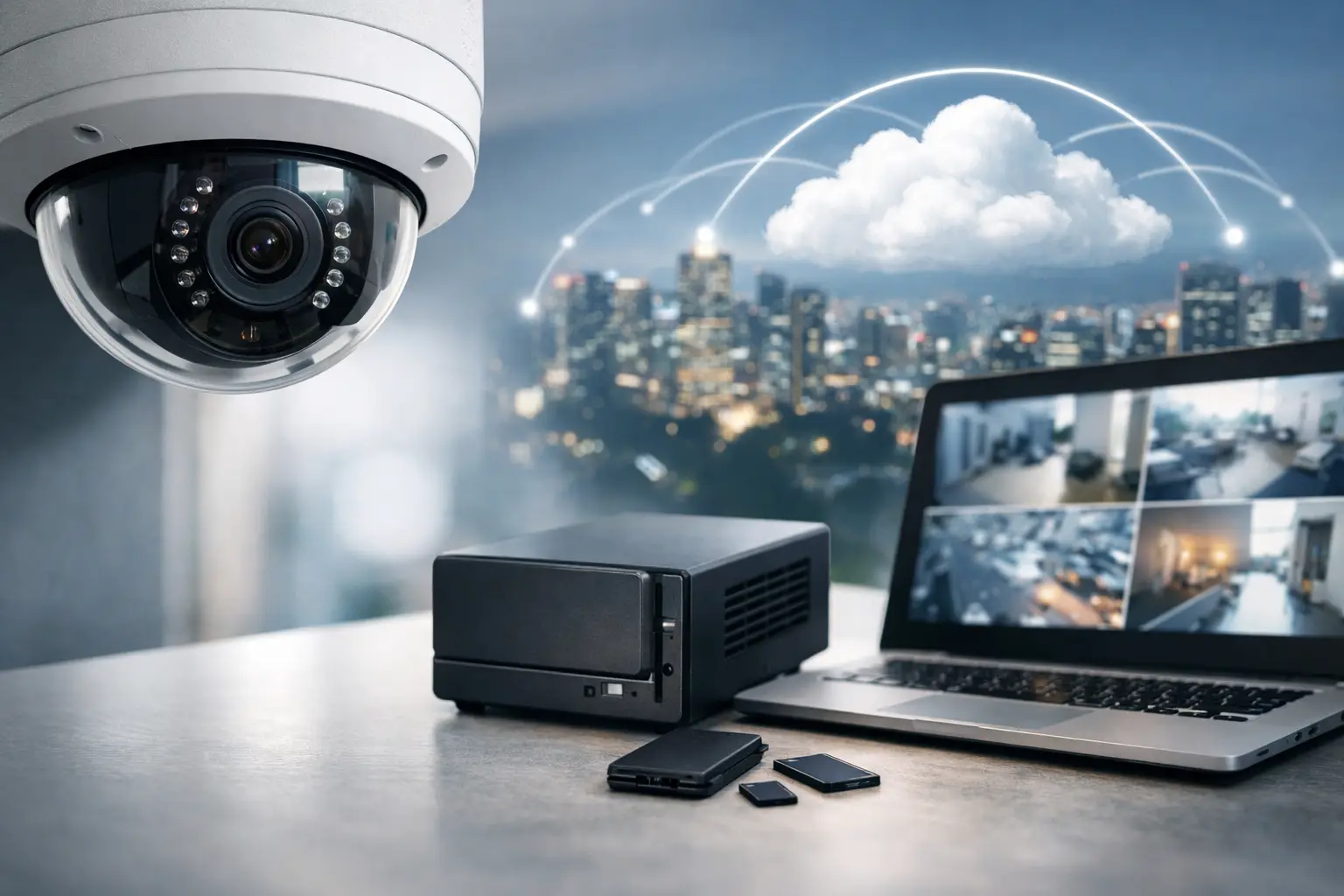
A camera that sends an alert but does not record is a missed opportunity. A camera that records but cannot be accessed when needed creates another problem. Reliable storage, remote viewing, secure user permissions, and camera health monitoring are part of a system that can support a real theft response.
Consider how long footage needs to be retained. A homeowner may need enough storage to review an incident reported days later. A business may need longer retention because managers, insurers, or law enforcement may not learn about a loss immediately. Higher-resolution cameras and continuous recording use more storage, so retention needs should be planned rather than guessed.
Response matters too. If someone receives a late-night alert, they should know what action to take. That might mean checking a live view, contacting onsite staff, calling security, or contacting law enforcement when appropriate. Cameras are most useful when they help people make a fast, informed decision instead of creating confusion after the fact.
Avoid the Common Installation Mistakes
The most frequent problems are avoidable: cameras installed too high for facial identification, weak Wi-Fi at outdoor camera locations, poor night coverage, unprotected cable runs, and no testing after installation. Another common issue is assuming a camera sees around corners or through obstructions. It does not.
Privacy also needs careful consideration. Cameras should protect your property without recording places where people reasonably expect privacy. Businesses should use clear policies for employee monitoring, and property managers should consider the rules that apply to shared spaces. Audio recording laws can be different from video recording rules, so audio features should be reviewed before they are enabled.
For larger homes, HOAs, offices, and commercial sites, hardwired cameras are often the more dependable choice. They avoid many wireless coverage issues, provide consistent power, and can support higher-quality recording. Wireless cameras still have a place where cabling is impractical, but they should be evaluated against the property’s Wi-Fi coverage, power options, and reliability needs.
Build a System Around the Risk You Want to Reduce
The right surveillance plan starts with a walkthrough, not a shopping cart. Identify what is being stolen or what you are trying to protect, when the risk is highest, how people enter and exit, and who needs access to footage. That process can reveal whether you need a few well-placed cameras, better lighting, access control, upgraded network coverage, or a combination of all four.
Las Vegas Tech Pros helps homeowners and local businesses design surveillance systems around those real-world conditions, including camera placement, hardwired cabling, remote access, and ongoing support. A system should be easy to use on an ordinary day, not just impressive on an installation day.
The best next step is to walk your property at night and approach it the way an outsider would. Notice the dark areas, unmonitored doors, unsecured equipment, and places where a person could leave without being seen. Those details will tell you where cameras can do their most valuable work.