A break-in alarm goes off at 2:13 a.m. The cameras recorded it, the access control system logged a forced door, and the lights could have turned on – but none of those systems talk to each other. Now someone has to open three different apps, piece together what happened, and decide whether it is a real threat or a false alarm. That gap is exactly why security system integration benefits matter for both homeowners and business operators.
When your cameras, alarms, access control, intercoms, lighting, and network are set up as separate pieces, security becomes harder to manage than it should be. Integrated systems reduce that friction. They give you better visibility, faster response, and fewer missed details. They can also save money over time, although the right setup depends on the property, the risks, and how much control you want in one place.
What security system integration benefits really mean
Integration does not just mean putting cameras next to a keypad. It means your security tools share information and trigger useful actions together. A door event can pull up camera footage. A motion alert after hours can activate lights. A video doorbell can connect to access permissions. A business manager can review incidents from one dashboard instead of bouncing between platforms.
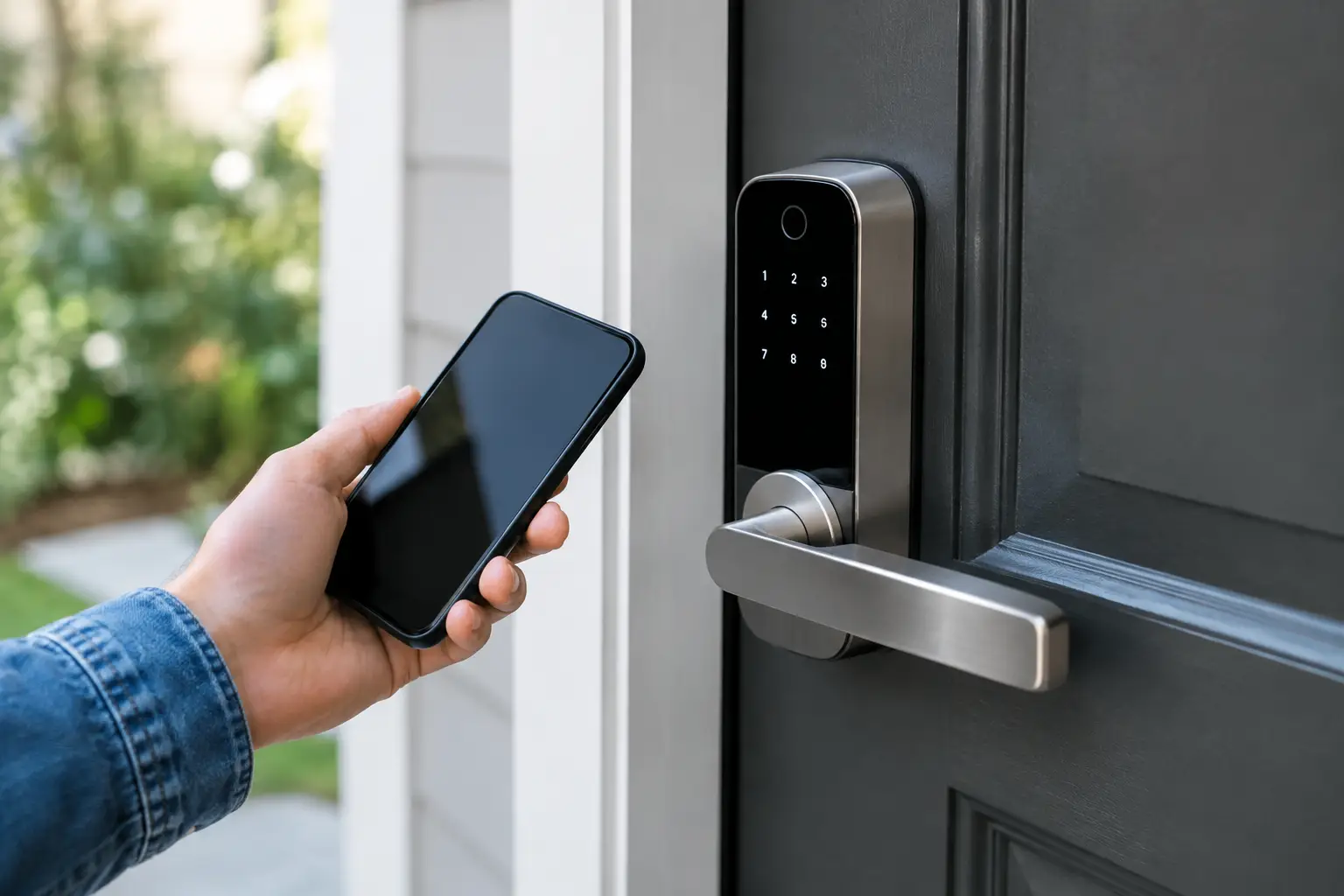
For a homeowner, that may mean locking doors, checking exterior cameras, and arming the alarm from one app. For an office, medical practice, HOA, or retail location, it may mean combining surveillance, access control, visitor entry, and network-connected alerts into one manageable system. The biggest gain is not novelty. It is clarity.
1. Faster response when something happens
The first real advantage is speed. In a disconnected setup, every alert creates extra steps. Someone gets a notification, then has to check another system for video, call someone else to verify entry logs, and decide what to do. That delay matters.
In an integrated system, alerts come with context. If a side gate opens after hours, you can often see the video clip, confirm whether an authorized person entered, and react right away. That can help a homeowner decide whether to call the police or dismiss a false alarm. For a business, it can help a manager verify whether a cleaning crew, employee, or unknown person triggered the event.
This also improves response quality. Faster is good, but faster with better information is what actually reduces mistakes.
2. One place to manage daily security
Most people do not want more technology to babysit. They want fewer systems to think about. One of the most practical security system integration benefits is simpler control.
If you have ever managed separate camera software, alarm panels, smart locks, gate access, and Wi-Fi-connected devices, you know the problem. Different logins, different update schedules, different alert settings, and different support contacts turn a security investment into a maintenance burden.
Integration can bring those daily tasks into one interface or at least one coordinated system. That means fewer missed alerts, less confusion for staff or family members, and a lower chance that one device gets ignored because it is inconvenient to check.
There is a trade-off here. Putting more controls into one platform can also mean you need to choose that platform carefully. A poor software experience can create frustration just as quickly as too many apps. Good planning matters as much as good hardware.
3. Better visibility across the whole property
A camera by itself shows video. An access control system by itself shows who badged in. An alarm system by itself tells you a sensor tripped. Integration combines those events into a more complete picture.
That is especially useful on larger homes, commercial properties, multi-tenant spaces, and facilities with multiple entry points. When systems are connected, you can track how an incident moved through the property instead of seeing just one isolated moment. Did someone enter through a rear door, move across a hallway, and approach a restricted area? Did a delivery arrive, ring the intercom, and wait at the right entrance? Connected systems answer those questions faster.
For HOAs and commercial sites, this also improves incident review. Instead of collecting footage from one system and access records from another, management can build a timeline with less effort. That helps with investigations, insurance documentation, and internal accountability.
4. Stronger security without piling on staff time
More devices do not automatically mean better security. If no one can monitor them efficiently, they become expensive noise. Integration helps you do more with the systems you already have.
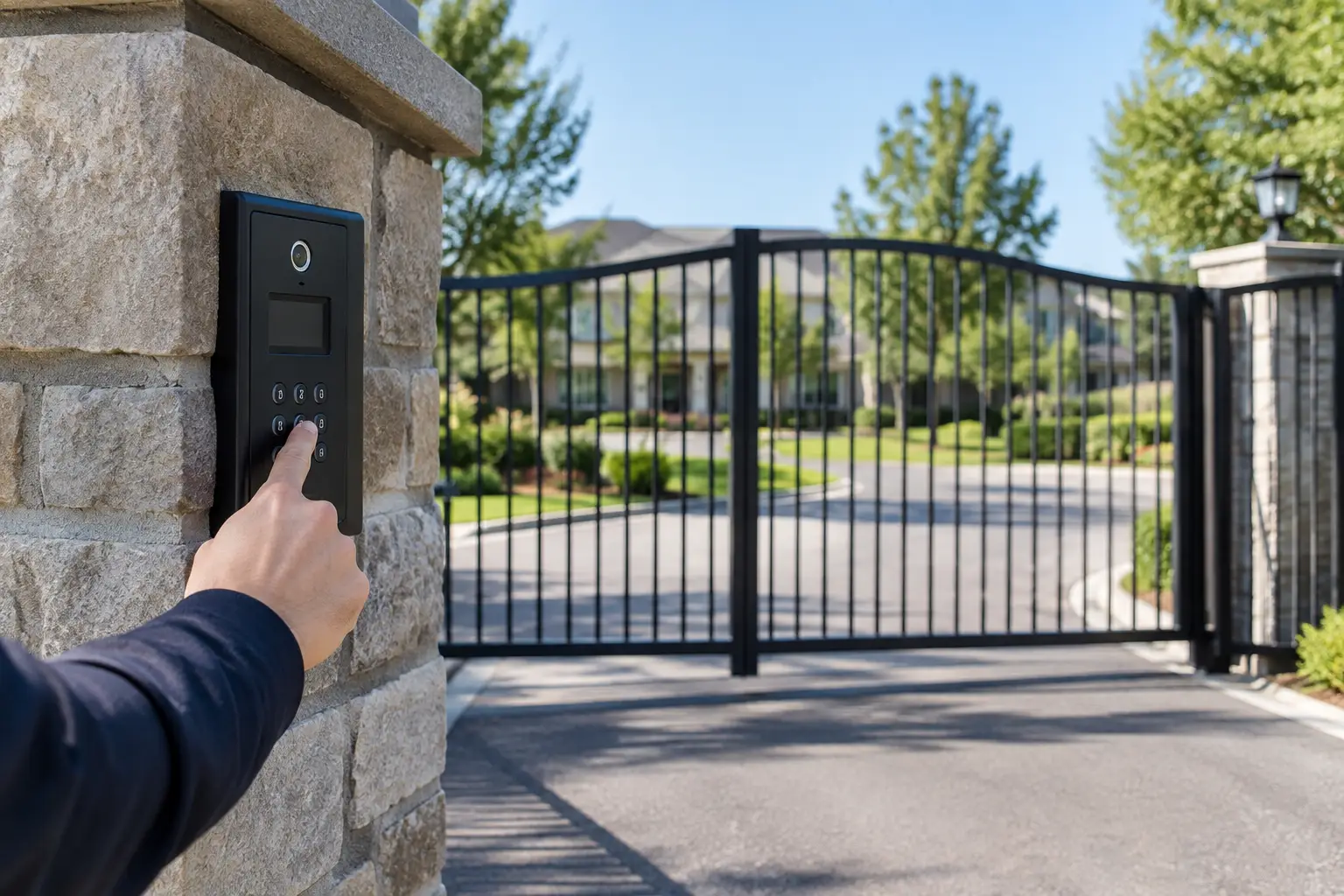
A good example is automated actions. If a motion sensor detects activity in a closed area at night, exterior lighting can come on while cameras mark the event. If a door is propped open too long, the system can alert staff and attach video for review. If someone rings a gate or front door station, you can verify them on video and grant access without physically going to the entrance.
That kind of coordination cuts down on manual checking and helps smaller teams manage larger spaces. It is a practical fit for businesses that do not have dedicated on-site security personnel, as well as homeowners who travel often or manage second properties.
5. Fewer blind spots between IT, security, and connectivity
This is the part many property owners only notice after something goes wrong. Security systems depend on more than cameras and sensors. They depend on cabling, power, network performance, device configuration, remote access, and ongoing support.
When those pieces are handled separately, problems fall through the cracks. The camera installer blames the network. The IT provider says the device is outside their scope. The access control vendor points to the app. Meanwhile, the system the customer paid for is unreliable.
Integrated planning reduces those handoff problems. When surveillance, access, Wi-Fi, structured cabling, and device setup are designed together, the result is usually more stable and easier to support. That matters in busy homes, offices, medical environments, and retail spaces where downtime is not just annoying – it creates risk.
For many customers, this is one of the biggest long-term benefits. Not because it looks impressive, but because it removes the finger-pointing.
6. More useful data and smarter decisions
Security is not only about reacting to emergencies. It is also about understanding patterns.
For businesses, integrated systems can show when doors are used most, where delivery bottlenecks happen, whether certain areas get repeated after-hours activity, or how often alarms are triggered by user error. That information can lead to better staffing, better policies, and better building use.
For homeowners, the value is simpler but still real. You can confirm package deliveries, monitor service visits, track who entered the home, and check whether kids arrived back from school. That level of insight makes the system useful every day, not just during an incident.
Of course, more data is only helpful if it is readable and relevant. A system that floods you with notifications or gives poor-quality footage will not improve decision-making. The setup has to match the user.
7. Better long-term value from your investment
The upfront cost of integration can be higher than buying standalone devices off the shelf. That is the honest answer. You may need better cabling, stronger networking, professional configuration, or commercial-grade equipment depending on the property.
But short-term savings from disconnected gear often disappear later. Owners end up replacing unsupported devices, paying for patchwork fixes, or living with systems that technically work but are too inconvenient to use properly. That is not real value.
Integrated systems tend to hold up better when they are planned with future growth in mind. A homeowner may start with cameras and smart locks, then add gate access, video doorbells, and lighting scenes later. A business may begin with surveillance and add access control, remote management, and tenant-specific permissions over time. If the foundation is right, expansion is easier and less expensive.
Where integration makes the biggest difference
Not every property needs a fully unified enterprise-level platform. A small home may only need cameras, alarm monitoring, and smart lock control working together. A medical office may need tighter access rules, audit trails, and reliable network performance. A retail store may care most about after-hours alerts and video verification. An HOA may prioritize gate entry, common-area surveillance, and shared management visibility.
The best system starts with the daily reality of the property. How many people come and go? Which areas are sensitive? Who needs access? How fast does someone need to respond when an alert appears? Those answers shape the right level of integration.
That is why a hands-on approach matters. In the Las Vegas area, where properties range from custom homes and gated communities to offices, clinics, and mixed-use buildings, a one-size-fits-all package rarely fits for long.
Choosing integration that actually helps
The strongest security setup is not the one with the most features. It is the one people can use confidently when something goes wrong.
Look for systems that make verification easy, remote access reliable, and support straightforward. Ask how the cameras, access control, alarms, intercoms, and network will work together in real situations, not just on a feature sheet. If a provider can explain how your system will behave during a delivery, a late-night alert, a power issue, or a locked-out employee, that is a good sign they are thinking beyond installation day.
Security should reduce uncertainty, not create more of it. When your systems are designed to work together, you spend less time managing technology and more time knowing what is happening on your property.