Bad cabling decisions usually stay hidden until something stops working. A camera drops offline, Wi-Fi gets spotty in the back office, the access control system lags, or a conference room turns into a troubleshooting session. That is why choosing the right low voltage wiring contractors matters early, before the walls are closed up or the business opens its doors.
Low-voltage work is the foundation behind a long list of systems people rely on every day. It supports network cabling, security cameras, alarm wiring, access control, structured cabling, audiovisual systems, smart home devices, intercoms, and more. When the cabling is planned correctly, the technology works the way it should. When it is rushed, underbuilt, or installed without much coordination, the problems tend to keep coming back.
What low voltage wiring contractors actually handle
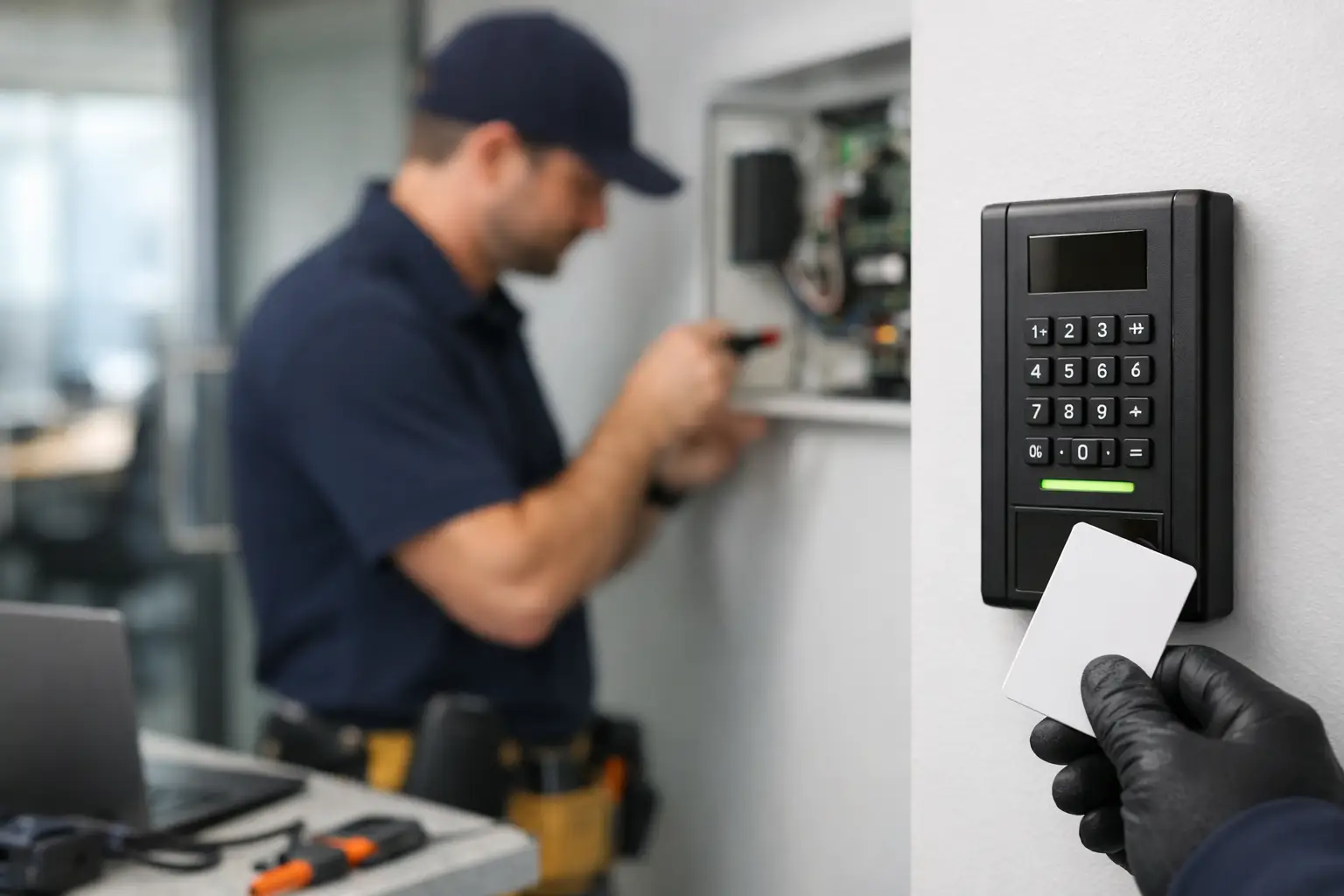
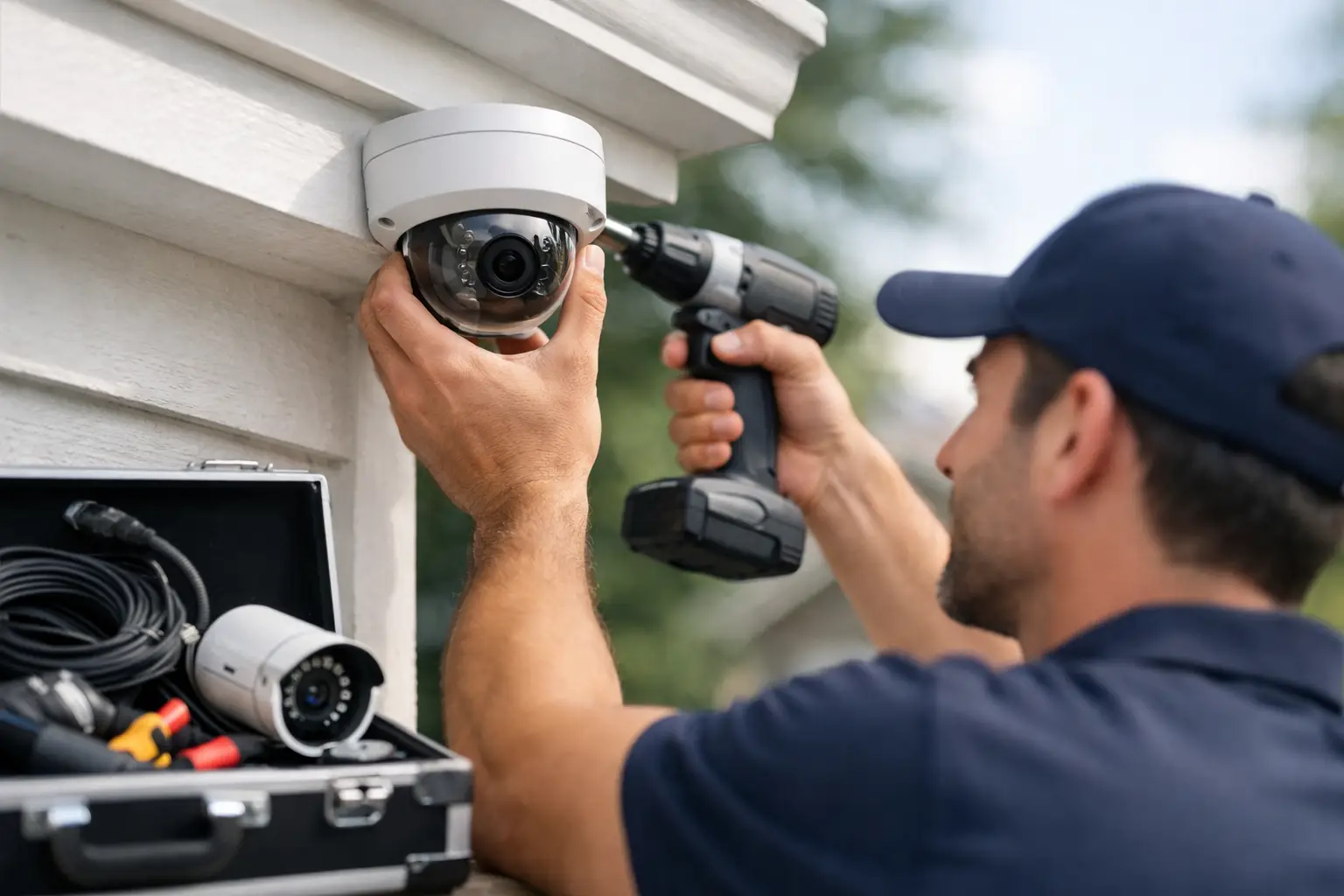
Many property owners hear the term and think it only applies to internet lines or security cameras. In practice, low voltage wiring contractors often touch several parts of a property at once. In a home, that might mean wiring for cameras, doorbells, smart locks, whole-home Wi-Fi, TV locations, speakers, and automation hubs. In a commercial setting, it can include network drops, telecom cabling, surveillance, access control panels, point-of-sale connections, conference room AV, and equipment room organization.
The real value is not just pulling cable. It is designing a layout that supports how the space will be used. A small business may need employee workstations, guest Wi-Fi, cameras at entrances, and badge access on select doors. A medical office may care more about reliability, clean cable routing, and organized infrastructure that supports growth without constant rework. A builder or HOA may need a contractor who can work across multiple units or phases without creating delays for other trades.
That is where experience matters. The best contractors do not treat every job like a bundle of wires and a wall plate. They look at device placement, future serviceability, equipment location, labeling, testing, and how one system affects another.
Why low voltage wiring contractors matter more than the equipment
People naturally focus on the visible hardware. They compare camera brands, shop for smart home features, or ask about faster Wi-Fi gear. Equipment matters, but cabling and infrastructure matter first. Strong hardware installed on weak infrastructure still performs poorly.
A good contractor helps prevent common problems before they show up in daily use. That includes dead zones from poor access point placement, camera issues caused by cable quality or bad terminations, ugly exposed runs, overloaded network closets, and systems that are difficult to service later. These are not small details. They affect security, uptime, appearance, and long-term cost.
There is also the coordination factor. A low-voltage contractor often works alongside electricians, framers, IT teams, security providers, property managers, and AV installers. If that coordination breaks down, the job gets messy fast. Timelines slip, devices get installed in the wrong spots, and customers end up paying for changes that could have been avoided with better planning.
What to look for before hiring
The first thing to look for is scope. Some contractors are only comfortable with basic cable drops. Others can handle a broader package that includes networking, surveillance, access control, Wi-Fi optimization, smart home systems, and ongoing support. There is no single right model, but if your project touches multiple systems, working with one capable partner is often easier than juggling separate vendors.
Licensing and field experience matter too. Low-voltage cabling is not a side task to hand off to whoever is available. You want a contractor who understands code requirements, proper cable pathways, device compatibility, testing standards, and clean finishing work. That is especially important in commercial environments, multi-tenant properties, healthcare settings, and new construction.
Responsiveness is another major factor. A contractor may perform well during bidding and then disappear when schedule changes happen or service calls come in. Ask how they handle communication, change orders, troubleshooting, and post-install support. A well-installed system still needs a partner who will answer the phone when something changes.
Questions worth asking low voltage wiring contractors
A quick estimate is not enough. Ask how they approach planning, not just pricing. You want to know whether they evaluate coverage areas, equipment locations, cable management, and future expansion. If they are only talking about the number of drops and the cost per line, you are probably not getting the full picture.
Ask whether they test and label their work. That sounds basic, but it separates organized contractors from crews that leave the next technician guessing. Ask how they coordinate with other trades. Ask what happens if the scope changes mid-project. Ask who handles service after the install is done.
For homeowners, it also helps to ask how the system will fit daily life. Will camera placement actually cover the property well? Will the Wi-Fi design support the patio, detached garage, or upstairs bedrooms? Will smart home devices be easy to use without needing five separate apps and constant resets?
For businesses, the questions shift slightly. Can the contractor support network growth? Can they wire for future desks, cameras, or door controllers now, even if those devices are added later? Can they keep the infrastructure clean and documented so future maintenance does not become a scavenger hunt?
Residential and commercial jobs are not the same
One mistake customers make is assuming any installer can jump between residential and commercial work without issue. Some can, but the demands are different.
Residential projects often focus on convenience, appearance, and ease of use. Homeowners want technology that feels simple. They care about hidden wiring, reliable coverage, and systems that do not require constant tinkering. The right contractor understands how to blend performance with a clean finish.
Commercial jobs usually involve more coordination, more device density, and more operational pressure. Downtime affects staff, tenants, customers, and revenue. A poorly planned office network is more than an annoyance. It can disrupt phones, payments, access control, and business continuity. Commercial clients need a contractor who thinks beyond installation day and plans for reliability, maintenance, and expansion.
Why local experience in Las Vegas helps
Las Vegas projects come with their own mix of challenges. Builders, HOAs, retail spaces, medical offices, and custom homes all move on different timelines. Service expectations are high, and when systems fail, customers usually want help quickly. A local contractor who knows the market can often move faster, coordinate better, and solve issues without turning every service call into a long delay.
That local factor becomes even more valuable when a provider can cover multiple technology needs instead of only one slice of the job. A company like Las Vegas Tech Pros can step in on low-voltage cabling while also supporting Wi-Fi, cameras, smart home systems, network troubleshooting, and related infrastructure. For many property owners and managers, that means fewer handoffs and fewer gaps between the cabling work and the technology running on top of it.
The cheapest bid usually costs more later
Price matters, but low-voltage work is one of those categories where the lowest number can create the most expensive headaches. A cut-rate install may leave you with poor labeling, weak testing, messy terminations, bad placements, or no support once the invoice is paid. Those issues tend to show up later, when fixing them is harder and more disruptive.
A better approach is to look at total value. Are you getting a contractor who plans carefully, communicates clearly, finishes cleanly, and stands behind the work? Are they helping you avoid duplicate labor later? Are they thinking about future devices, service access, and long-term reliability? That is where real savings usually come from.
The right contractor does more than install cable. They help create a property that works better from day one and stays easier to support over time. If you are comparing options, look past the bid sheet and pay close attention to how each company thinks through the job. Good low-voltage work is quiet when it is done right, and that is exactly the point.