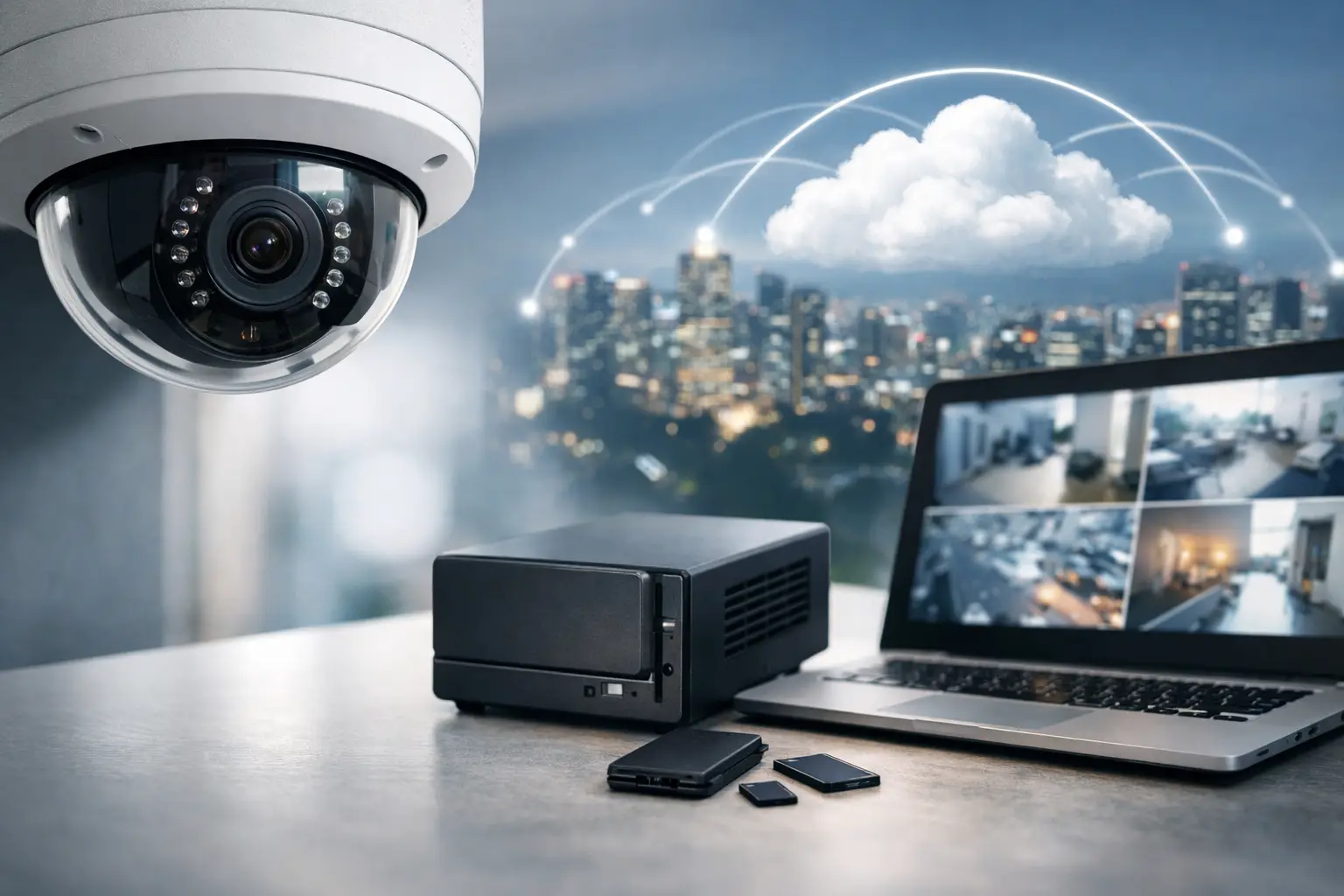
A camera at the front door is useful. A properly planned system that records the driveway, side gates, package drop area, and key entry points is far more useful when an incident actually happens. This residential surveillance system guide is built for homeowners who want clear coverage, dependable recording, and remote access without turning home security into another technology project to manage.
For Las Vegas homes, planning matters as much as the camera itself. Bright sun, heat, wide lots, block walls, gates, pools, and detached garages can all create blind spots or affect equipment performance. The goal is not to put a camera everywhere. It is to cover the places that matter with equipment and wiring designed to work when you need it.
Start With the Risks Around Your Property
Before comparing camera brands or resolution numbers, walk the property with a simple question: where would someone approach, enter, or leave without being seen? Most homes benefit from coverage at the front entry, driveway, backyard access, side yards, and any gate that leads to a pool, equipment area, or detached structure.
Think about daily use as well as security. If packages are regularly left near the front door, you need a camera angle that captures both the visitor and the delivery area. If vehicles are parked in a long driveway, one front-facing camera may show activity but not provide enough detail to identify a license plate or a person at distance. A side gate camera can be more valuable than another wide shot of the street if that gate is the least visible route onto the property.
Privacy belongs in the plan, too. Cameras should focus on your property, access points, and shared areas you are responsible for. Avoid aiming into neighbors’ windows, private yards, or places where anyone reasonably expects privacy. If you live in an HOA community, review applicable community rules before installation, especially for exterior equipment and visible conduit.
Choose Cameras for the Job, Not the Spec Sheet
Resolution matters, but it is only one part of useful video. A 4K camera can provide excellent detail, yet the image still depends on lens selection, mounting height, lighting, and the distance between the camera and the subject. A camera mounted too high may capture the top of a hat instead of a face. A wide lens can monitor a large yard but may not produce identifying detail at the far end of it.
For most residential properties, a combination of fixed cameras and a video doorbell or entry camera works well. Fixed cameras provide consistent, reliable views of driveways, gates, and exterior doors. A doorbell camera adds visitor interaction and a close view at the front entry. Pan-tilt-zoom cameras can be useful for large estates or expansive yards, but they should supplement fixed coverage rather than replace it. A camera that is looking in one direction cannot record what is happening somewhere else.
Night performance deserves close attention. Infrared illumination can provide black-and-white visibility in darkness, while cameras with built-in white light may capture color at night and act as a visible deterrent. Neither option is automatically better. Infrared is less noticeable, while white light can improve detail but may be distracting near bedrooms or neighbors. Strategic landscape lighting often improves footage and makes the property safer to navigate after dark.
Mounting Height and Angles Make or Break Coverage
Mount cameras high enough to discourage tampering, but not so high that faces become difficult to recognize. For many exterior locations, an installation height around eight to 10 feet creates a practical balance. Camera angles should capture people as they approach, not only after they have passed the door or gate.
Avoid pointing cameras directly toward the rising or setting sun whenever possible. In Southern Nevada, harsh sunlight can create glare and deep shadows that reduce detail at key times of day. Cameras with strong wide dynamic range help, but correct placement is the first fix. A professional site review can identify where a small shift in position prevents a major visibility problem.
Decide How Video Will Be Stored
Every residential surveillance system needs a recording plan. The primary options are local recording, cloud recording, or a hybrid setup. The right choice depends on how much footage you want to retain, how reliable your internet connection is, and whether you prefer a monthly subscription.
Local recording typically uses a network video recorder, often called an NVR, installed inside the home. With hardwired cameras, an NVR can record continuously without relying on internet service. That is a major advantage during an outage or when Wi-Fi is congested. Storage capacity determines how many days or weeks of footage you keep before older recordings are overwritten.
Cloud storage makes remote access simple and can protect selected clips off-site. However, it usually requires reliable upload bandwidth and may involve recurring fees. It can also be less practical for several high-resolution cameras recording around the clock. A hybrid system can offer the best balance: local continuous recording for complete coverage, with cloud backup for critical events or clips.
Do not assume motion recording automatically saves space without trade-offs. Poorly configured motion alerts can trigger constantly from vehicles, pets, tree movement, or shifting sunlight. Smart detection that distinguishes people, vehicles, and packages is often worth the investment because it makes both alerts and footage searches more useful.
Hardwired vs. Wireless Cameras
Wireless cameras are convenient for a single location or a rental property where running cable is not practical. They can work well when Wi-Fi coverage is strong, power is available, and the camera does not need to record high-resolution video continuously. Battery-powered models are fast to deploy, but they require charging and often record only when motion is detected.
For a permanent multi-camera system, hardwired cameras are generally the more dependable choice. Power over Ethernet, or PoE, sends power and data through one Ethernet cable. That means no battery maintenance, stronger connections, and more consistent recording. It also avoids asking your home Wi-Fi network to carry every camera stream.
A hardwired installation requires thoughtful cable routing, weather-rated exterior penetrations, and clean termination inside the home. The best work keeps wiring protected and as inconspicuous as possible while leaving the system serviceable in the future. This is where licensed low-voltage cabling experience matters, especially in finished homes, large properties, and new construction.
Make Sure Your Network Can Support the System
Security cameras are part of your home network, even when they connect to a local recorder. A multi-camera system can expose weak Wi-Fi, outdated switches, poor router placement, or limited internet upload speeds. If remote viewing buffers or cameras frequently drop offline, the problem may be network capacity rather than the camera.
Hardwired PoE cameras reduce wireless traffic, but the NVR, router, and remote viewing setup still need to be configured correctly. A dedicated network segment for cameras can improve organization and security in more advanced homes. At a minimum, change default passwords, use unique credentials, keep firmware current, and avoid giving every household member full administrative access.
Remote viewing should be practical, not overwhelming. Set alerts for meaningful events, such as a person approaching a side gate after certain hours or a vehicle entering the driveway. Constant notifications train people to ignore the app. The system should help you respond faster, not add more noise to your phone.
Plan for Heat, Weather, and Long-Term Service
Las Vegas heat is a real equipment consideration. Outdoor cameras should be rated for the temperatures and conditions where they will be installed. Direct afternoon sun, enclosed patio ceilings, metal gates, and equipment cabinets can all run hotter than the general outdoor temperature. Choosing the right camera housing and location helps prevent premature failures.
Surveillance systems also need occasional attention. Lenses get dusty, spider webs can trigger motion detection, landscaping changes can block a view, and time settings or firmware can drift out of date. Review camera views every few months and test remote playback before you need evidence. If a gate, remodel, or new outdoor feature changes how people move around the property, update the coverage plan.
Las Vegas Tech Pros can design and install a system around the property, the network, and the level of day-to-day support you want. The best system is not the one with the most cameras. It is the one that gives you clear footage of the right places, stores it reliably, and stays simple enough to use when something matters.